Concrete Removal Methods | Proven Options for Every Job
How to Choose a Concrete Removal Method: Expert Guidance on Concrete Breaking Techniques and Cost Considerations in Miami, FL
Selecting the appropriate concrete removal method is a critical decision that significantly influences project efficiency, safety, environmental impact, and budget. Understanding the range of available demolition techniques, the specialized equipment each requires, and the key cost variables in your region—in this case, Miami, FL—is essential for successful project execution. This comprehensive guide covers the primary concrete demolition methods, outlines typical toolsets and their applications, and explains cost and regulatory considerations, reinforcing best practices in safety and environmental compliance to empower informed decision-making.
Concrete Removal Methods Include:
Concrete removal employs several established approaches, each tailored to specific site conditions, structural demands, and project objectives. Below is an overview of the most commonly utilized techniques, which are integral to maintenance, renovation, and major demolition projects. Careful evaluation of their operational characteristics ensures selection of the most effective method for your needs.
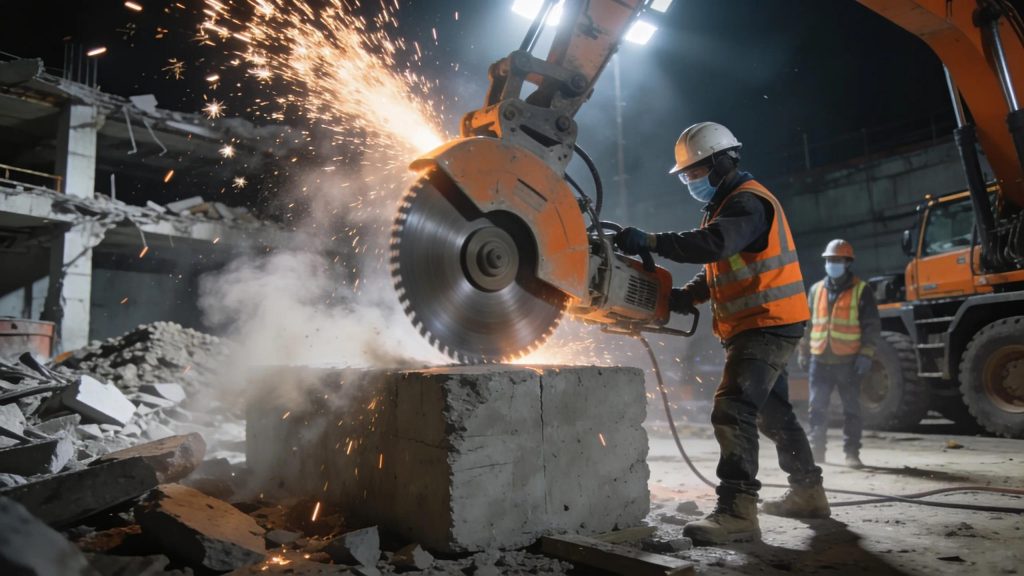
- Diamond-Blade Saws: Equipped with industrial-grade diamond segments, these saws excel in making precise, clean cuts through concrete, minimizing collateral damage. They are ideally suited for detailed demolition and cutting tasks where accuracy and surface integrity are priorities.
- Hydraulic Hammers: Also known as hydraulic breakers, these heavy-duty attachments deliver powerful impacts to fracture and break large slabs or reinforced concrete. They are efficient for large-scale demolition requiring rapid material breakdown.
- On-Site Crushing: This environmentally sustainable method involves crushing concrete debris directly on site, converting waste into reusable aggregate for backfill or new concrete production. It reduces transportation costs and landfill disposal, aligning with green construction initiatives.
Selecting the optimal removal technique hinges on an analysis of project-specific factors such as the desired precision, extent of demolition, surrounding environment, and recycling goals. Integrating method capabilities with these variables ensures both operational effectiveness and cost efficiency.
Concrete Removal Methods: A Comprehensive Review of Techniques
This foundational 1982 report assists engineers in selecting effective concrete removal methods for maintenance and preservation. It evaluates multiple devices—including explosive blasting, hand-held breakers, high-pressure carbon dioxide blasters, hydraulic rock-breakers, powder lances, powder torches, thermal lances, vehicle-mounted breakers, water cannon, and water jet—all characterized by varying advantages and operational constraints. Understanding the evolution and comparative merits of these technologies provides valuable historical context and technical insight.
Main Methods for Removing Concrete Slabs
Concrete slab removal techniques vary significantly in terms of efficiency, cost effectiveness, and quality of finish. Factors influencing the choice include slab thickness, degree of reinforcement, accessibility, and preparation requirements for subsequent construction stages.
Diamond-Blade Saws
Diamond-blade saws enable accurate, controlled cutting with minimal structural disturbance, making them the preferred choice for residential projects and scenarios demanding high finish standards. Their ability to produce clean edges also reduces time and complexity for restoration or overlay applications.
Hydraulic Hammers
For industrial and commercial slab demolitions, hydraulic hammers provide substantial breaking power to quickly handle thick, heavily reinforced concrete. The efficiency of these tools helps meet tight project timelines but requires careful operator training to mitigate vibration and noise impacts.
Effective Concrete Demolition Tools
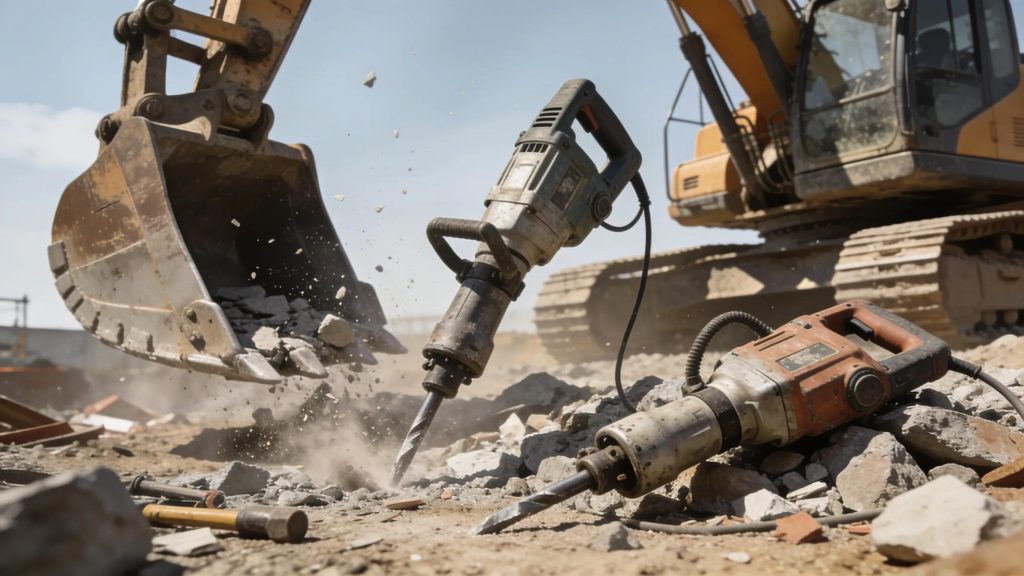
Tool selection should align with project scale, precision demands, site access, and safety requirements. Key demolition equipment includes:
- Excavators: Fitted with specialized concrete breakers or crusher attachments, excavators enable swift dismantling of large concrete elements, maximizing labor productivity and reducing on-site hazards.
- Jackhammers: These portable pneumatic or electric tools deliver high-impact energy, ideal for precision breaking or limited-access areas. Versatility and ease of use make jackhammers common in both residential and commercial projects.
- Breakers: Often integrated with heavy machinery, breakers provide targeted demolition capability for stubborn concrete zones, enabling progressive removal and material management.
The judicious combination of equipment tailored to project demands ensures balance among efficiency, cost control, and site safety.
Factors Affecting the Cost of Concrete Removal in Miami, FL
Concrete removal costs in Miami, FL fluctuate due to a combination of local market conditions and project-specific parameters. Understanding these drivers facilitates accurate budgeting and helps avoid unexpected expenses.
- Size of the Area: Larger surface areas increase labor, equipment, and disposal costs proportionally, emphasizing the importance of detailed site assessment.
- Type of Method: The complexity and power of equipment—such as diamond-blade saws versus hydraulic hammers—directly influence rental rates, fuel consumption, and operational expenses.
- Disposal Fees: Miami-Dade County’s regulations regarding concrete waste disposal, recycling mandates, and tipping fees impact overall costs. Projects incorporating on-site crushing or recycling typically reduce these expenses.
- Site Conditions: Accessibility, presence of reinforcements, and proximity to sensitive structures affect labor intensity and duration, influencing pricing.
- Labor Rates: Skilled operator availability and union rules within Miami can alter wage costs and scheduling.
Incorporate contingency allowances for unforeseen site conditions and regulatory compliance to ensure robust and realistic financial planning.
Safety and Environmental Practices Guiding Concrete Removal Method Selection
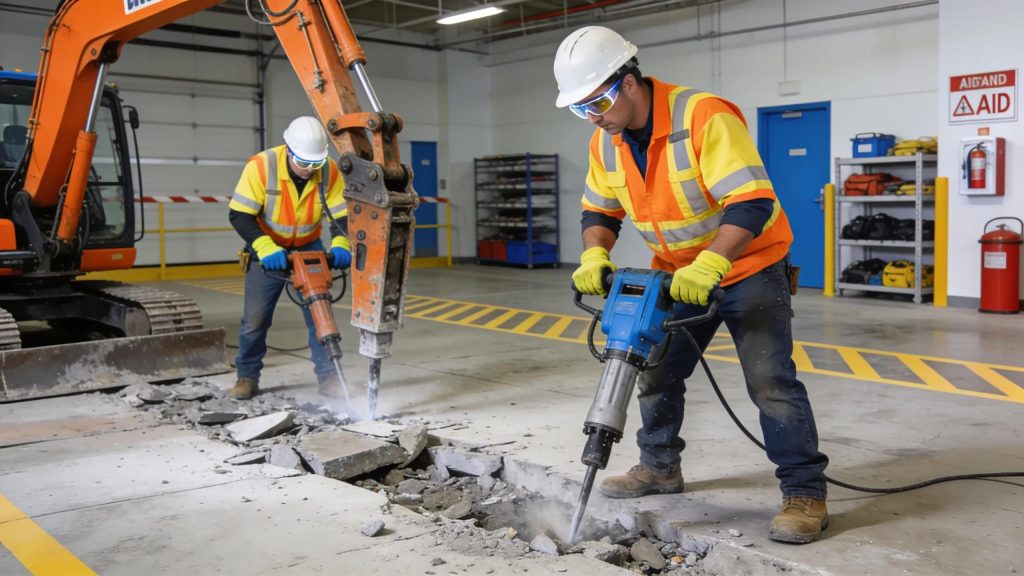
Safety is paramount in concrete removal. Method selection should prioritize approaches that facilitate dust suppression, vibration mitigation, noise reduction, and establishment of exclusion zones to safeguard personnel and neighboring properties. Effective safety management not only protects workers but also ensures regulatory compliance and project continuity.
Mandatory safety measures include:
- Use of certified personal protective equipment (PPE) such as hard hats, safety goggles, respirators, ear protection, gloves, and steel-toed footwear.
- Implementation of site containment strategies to minimize airborne contaminants.
- Establishment of supervised access controls to limit unauthorized entry.
- Comprehensive training on equipment operation and hazard recognition.
Embedding these controls within the project plan enhances workplace safety culture and reduces incident rates.
Environmental Disposal Considerations in Miami, FL
Environmental considerations play a critical role in method selection. Techniques that enable on-site recycling of concrete debris reduce disposal volume, transport emissions, and landfill dependency, aligning with Miami, FL’s sustainability goals and green building standards.
Compliance with federal, state, and local regulations for hazardous and non-hazardous waste management is mandatory. Failure to adhere can incur fines, project delays, and increased remediation costs. Prior to finalizing the removal strategy, verify applicable environmental legislation and disposal permit requirements specific to Miami and surrounding jurisdictions.
Optimizing method selection for sustainability yields dual benefits of regulatory adherence and potential cost savings through aggregate reuse.
| Method | Cost per Square Foot | Efficiency |
|---|---|---|
| Diamond-Blade Saws | $3.00 | High precision, slower speed |
| Hydraulic Hammers | $5.00 | Very high power, rapid demolition |
| On-Site Crushing | $2.50 | Moderate, with environmental benefits |
Comparing unit costs with operational efficiency and project constraints—including site accessibility, reinforcement level, and recycling objectives—facilitates informed selection of the most economical and feasible concrete removal method in Miami, FL.
Frequently Asked Questions
1. What safety equipment is necessary when removing concrete?
Mandatory personal protective equipment (PPE) for concrete removal includes hard hats, safety goggles or face shields, cut-resistant gloves, and steel-toed boots. Respiratory protection such as N95 masks or respirators must be used to guard against dust and airborne silica hazards. Hearing protection is essential when operating loud machinery. Consistent use of suitable PPE dramatically reduces risks of injury and occupational illnesses.
2. How can the type of concrete affect removal techniques?
Concrete composition, including the presence and configuration of reinforcement such as steel rebar, significantly influences removal strategy. Reinforced concrete typically requires higher-impact or precision tools to avoid unintended structural damage. Conversely, unreinforced or deteriorated slabs may be processed with less intensive methods. Thorough evaluation of material properties and condition is essential before choosing a technique.
3. Are there any eco-friendly concrete removal methods?
Yes. On-site crushing facilitates reuse of concrete materials, reducing landfill waste and transportation emissions. Additionally, diamond-blade cutting and hydraulic demolition methods can be optimized to limit dust and noise pollution relative to less controlled approaches, supporting environmental regulations in urban settings.
4. What should be done with concrete debris after removal?
Concrete debris must be handled in accordance with local disposal and recycling guidelines. Common practices include transporting debris to authorized recycling centers or processing it on-site into aggregate via crushing. Proper management minimizes environmental harm and ensures compliance with legal requirements.
5. How long does concrete removal typically take?
Project duration varies based on slab size, thickness, reinforcement, selected methods, and site accessibility. Small residential removals may conclude within hours, while extensive industrial demolitions might span several days. Accurate site surveys and selecting suitable equipment improve schedule certainty.
6. What are the risks associated with concrete removal?
Hazards include falling debris, inhalation of silica dust, noise exposure, and physical injuries from heavy machinery. Structural instability and concealed utilities add complexity. Risk reduction depends on comprehensive site assessments, protective measures implementation, specialized worker training, and ongoing equipment maintenance.
7. Can homeowners remove concrete themselves?
Homeowners can manage small-scale concrete removal if they have proper tools, knowledge, and follow strict safety protocols. However, larger or complicated projects usually require professional contractors equipped with specialized equipment, trained personnel, and regulatory expertise to ensure safe and effective completion.
Easiest and Most Cost-Effective Concrete Removal Methods in Miami, FL
Easiest Way to Remove Concrete
The easiest way to remove concrete depends on the project size and location. For small residential jobs, using handheld jackhammers or pneumatic breakers can be straightforward and accessible. For larger areas, renting a diamond-blade saw or hiring professionals with hydraulic hammers might simplify the process by providing more power and precision, reducing physical effort and time.
Cheapest Way to Get Rid of Concrete
The cheapest way to remove concrete often involves manual methods, such as using sledgehammers and basic hand tools for small quantities. For larger projects, on-site crushing can reduce disposal fees by converting debris into reusable aggregate. Additionally, opting for methods with lower equipment rental and operational costs, like on-site crushing or simpler mechanical breakage, can lower overall expenses.
Average Cost of Concrete Demolition
The average cost of concrete demolition varies widely by region, project scale, and chosen method. According to the cost table provided, prices can range from approximately $2.50 to $5.00 per square foot. For example, diamond-blade saws average around $3.00 per square foot, hydraulic hammers about $5.00, and on-site crushing approximately $2.50. Local labor rates, disposal fees, and site conditions also significantly impact the final cost in Miami, FL.
Conclusion
Selecting the proper concrete removal method is pivotal to achieving operational efficiency, maintaining site safety, and ensuring environmental compliance, particularly in Miami, FL’s unique market and regulatory environment. A comprehensive evaluation of technique performance, cost factors, and regulatory mandates relative to project objectives is essential. When in doubt, consulting qualified industry specialists or structural engineers can provide valuable guidance, ensuring the chosen approach fulfills technical and compliance requirements while optimizing project outcomes.