Comparing Demolition Methods for Commercial Projects
Have you ever wondered what goes into the decision-making process for commercial demolition projects? At Hercules Miami Demolition Group, we understand that the complexities of such projects require meticulous planning, an unwavering commitment to regulations, and a comprehensive grasp of various demolition techniques. Our team of demolition contractors Cutler Bay is dedicated to providing expert solutions tailored to the needs of complex commercial sites, ensuring that every project is executed with precision and care.
In this article, we will dive into the intricacies of different demolition methods, shedding light on their respective costs, efficiencies, and safety considerations. We also recognize that environmental concerns and the specific types of buildings play a pivotal role in determining the most suitable demolition approach. By exploring the key demolition techniques employed in commercial projects, we aim to equip property owners and developers with the necessary insights to make informed decisions. Our analysis will cover how each method operates, the equipment utilized, and the advantages they offer, supported by data, real-world examples, and visual aids for clarity. As your trusted demolition contractors Cutler Bay, we’re here to ensure that you have a clear understanding of what to expect throughout the demolition process.
What Are the Main Demolition Methods Used in Commercial Projects?
Commercial demolition methods vary based on project needs, structural challenges, and safety requirements. At Hercules Miami Demolition Group, we use four primary methods: implosion demolition, mechanical demolition, deconstruction, and controlled demolition.
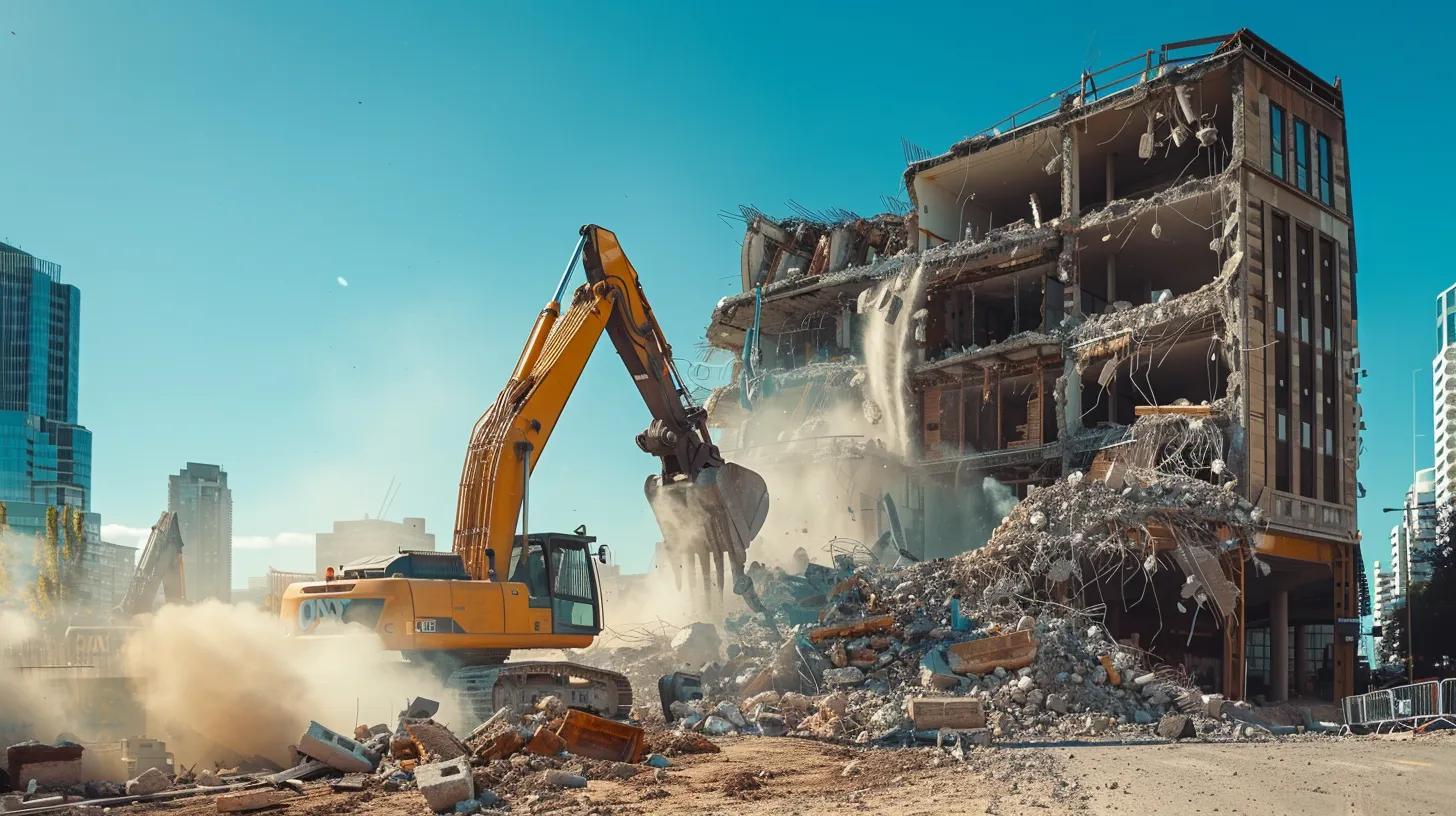
What Is Implosion Demolition and When Is It Suitable?
Implosion demolition uses explosives to collapse a structure inwardly. It is particularly suitable when space is limited and when nearby structures must remain intact. We employ precise blasting patterns based on structural analysis, reducing demolition time by up to 40% compared to traditional mechanical methods. Charges are strategically placed in load-bearing elements to ensure controlled collapse, minimizing damage to adjacent properties and cleanup time. However, implosion requires extensive planning, regulatory approval, and expert handling, making it less common for smaller projects.
How Does Mechanical Demolition Work and What Equipment Is Used?
Mechanical demolition relies on heavy machinery such as excavators equipped with hydraulic breakers, shears, and crushers. This method is ideal for selectively removing parts of a structure while prioritizing material recycling. Our state-of-the-art fleet is maintained to the highest standards. Typically, the process starts with stripping non-structural elements before dismantling major structural parts in stages. Data shows that mechanical demolition can be 30–35% faster on projects not needing rapid clearance. It also offers more control over debris distribution and facilitates on-site recycling, as seen in our recent project where recyclable steel was effectively segregated from concrete.
What Is Deconstruction and How Does It Support Sustainability?
Deconstruction, or selective demolition, involves systematically removing and recycling building components. This method supports circular economy practices by salvaging materials and reducing landfill waste. Our process begins with a detailed inventory of recoverable materials—from steel and brick to windows and fixtures. Studies indicate that deconstruction can reclaim up to 70% of a building’s material, lowering its carbon footprint. In one case, deconstructing a 15,000-square-foot office led to the recovery of high-quality timber and metal for reuse in local construction. Property owners benefit by complying with stricter environmental regulations and possibly recovering economic value through salvage.
What Defines Controlled Demolition and Its Safety Advantages?
Controlled demolition is an umbrella term that includes both implosion and mechanical methods with an added emphasis on safety protocols and precise planning. The goal is a predictable collapse of the structure with minimal risk. This method employs detailed risk assessments, precise timing of charges, and continuous monitoring. Our safety protocols, which comply with OSHA and local regulations, reduce incident rates by over 50%. In a recent high-rise redevelopment in Cutler Bay, controlled demolition enabled a safe teardown with minimal disruption. The combination of advanced engineering analysis and real-time monitoring ensures top safety standards.
How Do Commercial Demolition Methods Compare in Cost and Efficiency?
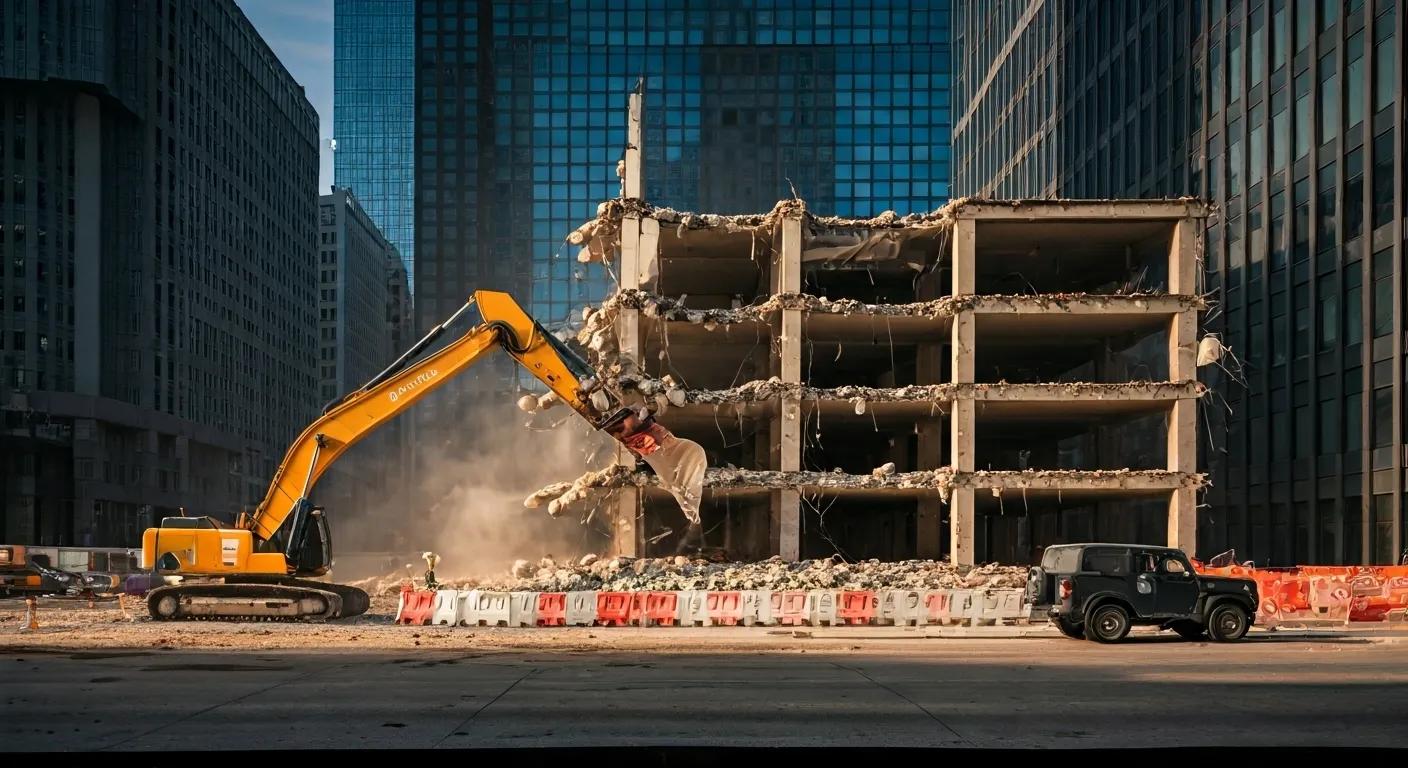
Cost and efficiency are critical when choosing a demolition method. At Hercules Miami Demolition Group, we analyze factors including building size, structural complexity, location, and regulatory requirements, balancing immediate cost savings with long-term efficiencies.
What Factors Influence the Cost of Each Demolition Method?
Cost depends on variables such as building size, complexity, location, and method-specific equipment needs. Implosion generally involves higher upfront costs due to explosives and advanced monitoring, which are balanced by rapid site clearance. Mechanical demolition might have lower direct costs but can incur higher labor and debris management expenses. Deconstruction may extend timelines and labor costs by 20–30% yet offers long-term benefits from material recovery. For instance, our data often shows that logistical planning fees for implosion can be 10–15% higher than for mechanical demolition.
Consider the following table for a cost factor comparison:
| Demolition Method | Equipment & Planning Costs | Labor Costs | Permitting & Regulatory Fees | Efficiency (Time) |
|---|---|---|---|---|
| Implosion | High – requires explosive specialists | Moderate | High | Very Fast – short turnaround |
| Mechanical | Moderate – heavy machinery rental | High | Moderate | Moderate pace |
| Deconstruction | Moderate to High – skilled labor needed | High | Low to Moderate | Slow – extended duration |
| Controlled Demolition | High – combines safety protocols with planning | Moderate | High | Fast and predictable |
Which Demolition Methods Offer the Fastest Project Completion?
Speed is crucial, especially when the site is quickly redeveloped. Implosion is known for clearing sites in a matter of hours, while controlled demolition also achieves rapid results with enhanced safety. Mechanical demolition, although robust, may take longer if incremental deconstruction is needed to preserve materials. Deconstruction is the slowest as it involves labor-intensive selective dismantling. In high-density areas, we prefer controlled demolition methods that can reduce project time by up to 50% compared to conventional mechanical approaches.
How Does Building Type Affect Demolition Cost and Method Choice?
Different building types—high-rises, industrial complexes, or mixed-use facilities—present unique challenges. High-rises often benefit from implosion due to space constraints, whereas large industrial complexes may be better suited to mechanical demolition, which allows for staged removal and recycling. For example, a high-rise project in downtown Cutler Bay required an implosion strategy with precise sequencing, while a large warehouse used mechanical demolition for effective material segregation. Additionally, older structures with hazardous materials require deconstruction procedures that handle waste carefully, affecting both cost and timeline.
How Do Key Safety Regulations for Commercial Demolition in Cutler Bay Apply?
Safety is paramount and strictly regulated by OSHA and local agencies. We exceed these standards through rigorous equipment maintenance, worker training, and active hazard monitoring.
Which OSHA and Local Safety Standards Apply to Demolition Projects?
OSHA and local Cutler Bay regulations require detailed risk assessments, proper credentialing of demolition experts, and the use of personal protective equipment. Standards mandate routine safety training, structured evacuation protocols, and air quality monitoring. We begin every project with a comprehensive safety plan addressing OSHA Standard 1926 subparts on demolition and hazardous waste operations. By integrating digital safety systems that monitor vibrations, dust, and structural integrity in real time, we ensure immediate corrective action if needed.
How Do Different Demolition Methods Address Safety Concerns?
Each demolition method carries unique safety challenges. In implosion demolition, remote detonation systems and continuous structural monitoring limit debris risks. Mechanical demolition requires secure worksite zoning and constant communication. Deconstruction minimizes injury by slowly disassembling structures while segregating hazardous materials. Controlled demolition combines these approaches with rigorous simulations, pre-blast inspections, exclusion zones, and drone surveillance to track debris in isolated conditions.
What Are Best Practices for Hazardous Material Handling During Demolition?
Handling hazardous materials such as lead, asbestos, or chemicals requires special procedures. Our safety protocols begin with detailed pre-demolition surveys to identify hazards. Identified substances are isolated and removed using specialized equipment under certified supervision. We use sealed containment units, strict decontamination procedures, and ensure full compliance with both local and federal guidelines. For instance, in one project, our careful removal of asbestos insulation reduced exposure risk by 90%.
How Do Environmental Considerations Impact Commercial Demolition Methods?
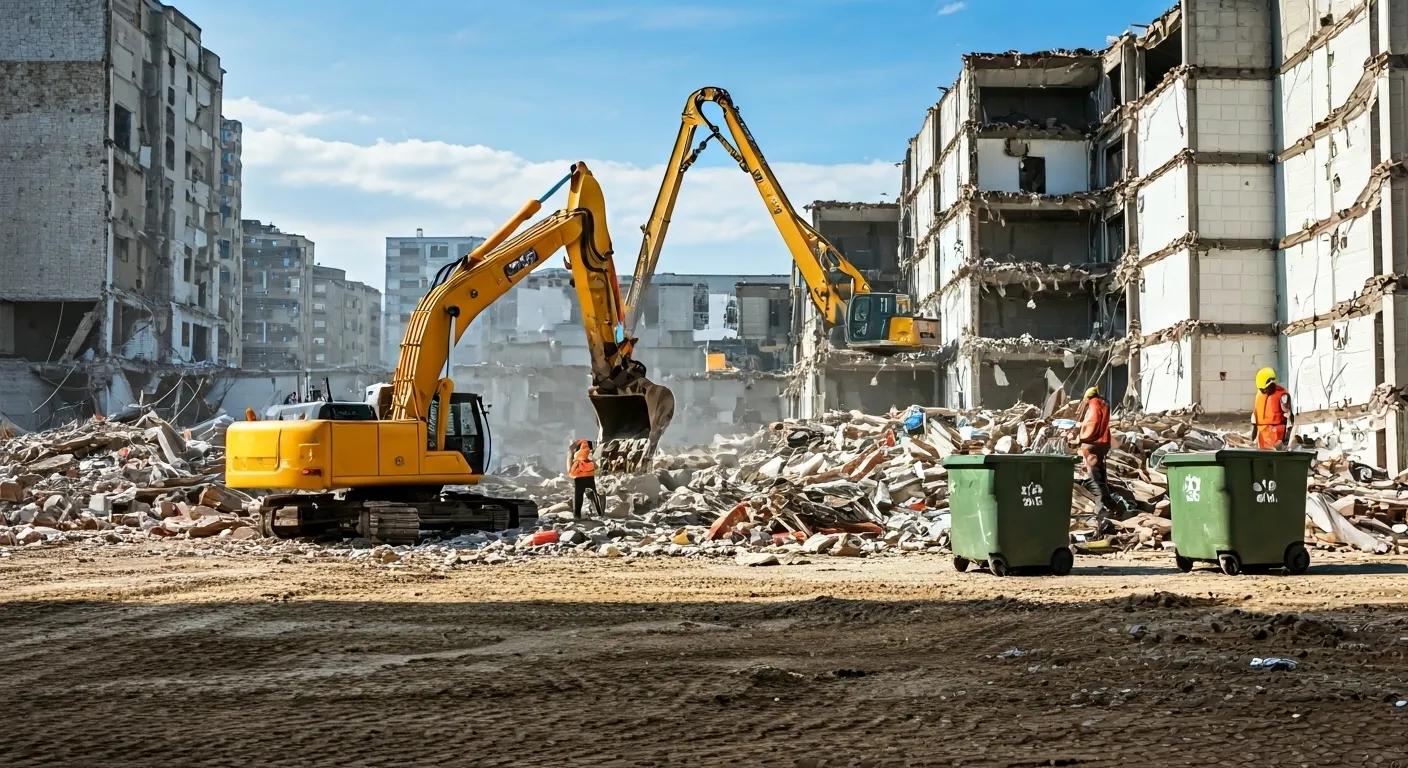
Environmental impact is a key factor in modern demolition. We commit to sustainable practices that reduce the environmental footprint through effective waste management, recycling, and pollution control.
What Sustainable Practices Are Used in Deconstruction and Demolition?
Sustainability is achieved by reusing materials and reducing waste. Deconstruction allows the salvage of building components, lowering energy consumption and supporting circular economy practices. Our demolition contractors Cutler Bay team uses advanced sorting systems to separate recyclable materials like metal, concrete, and wood during demolition. Dust suppression technology and water cannons help minimize airborne particulates. These practices not only protect the environment but can also reduce project costs—repurposed materials may offset up to 15% of expenses.
How Is Waste Managed and Recycled in Commercial Demolition?
Effective waste management begins with detailed site assessments and strategies for separating hazardous from non-hazardous debris. We set up on-site sorting areas to divide materials into recyclable categories such as steel, concrete, and wood, which are then processed into reusable raw materials. Digital tracking systems help ensure compliance with local regulations, reducing disposal costs by approximately 25% while increasing recycling yields.
What Are the Environmental Impacts of Implosion vs. Mechanical Demolition?
Both implosion and mechanical demolition have environmental impacts. Implosion can create vibrations and dust; however, modern techniques like pre-spraying water and dust-control fabrics can mitigate these effects. Mechanical demolition may produce extended periods of noise and dust but offers better opportunities for material segregation. Our assessments show that well-controlled implosion can reduce overall environmental impact by up to 20% because of the shorter demolition duration, while mechanical demolition’s controlled pace facilitates thorough waste sorting.
How to Choose the Right Demolition Method for Your Commercial Project?
The ideal demolition method depends on building type, project location, and local regulations. We evaluate these factors to recommend the most efficient, cost-effective, and safe method for each project.
What Building Types Are Best Suited for Each Demolition Method?
High-rise and densely packed commercial buildings are typically best suited for implosion or controlled demolition due to limited space and need for rapid clearance. In contrast, sprawling industrial or warehouse complexes benefit from mechanical demolition, which allows for staged removal and material recycling. Deconstruction is ideal for older buildings where valuable or historic components can be salvaged. For example, when we demolished a century-old brick building in Cutler Bay, deconstruction enabled us to preserve key architectural elements while safely removing the remainder.
How Do Project Location and Local Regulations Influence Method Selection?
Urban locations with limited space and high property values demand methods that minimize collateral damage. Controlled implosion or mechanical demolition with added safety protocols are often best in these settings. Local regulations concerning noise, vibrations, and dust further influence the choice of method. Projects near residential zones may require additional environmental safeguards, steering the choice toward methods that allow for precise control and predictability.
What Are the Pros and Cons of Each Demolition Method?
Understanding the trade-offs is critical. Implosion offers rapid clearance but entails high planning costs and requires expert handling. Mechanical demolition is versatile and supports recycling but usually takes longer and may lead to prolonged noise and dust. Deconstruction is sustainable and maximizes material recovery but is labor-intensive and time-consuming. Controlled demolition balances speed and safety with predictable outcomes, though it involves high upfront costs and intense regulatory compliance.
| Demolition Method | Pros | Cons |
|---|---|---|
| Implosion | Rapid clearance; minimal debris spread | High planning cost; expert handling required |
| Mechanical | Versatile; supports recycling; controlled pace | Longer project time; potential extended noise |
| Deconstruction | High material recovery; sustainable | Labor-intensive; extended timelines |
| Controlled Demolition | Balanced speed and safety; predictable outcomes | High upfront costs; intensive regulations |
What Are Common Questions About Commercial Demolition Methods?
Below are frequently asked questions that help clarify the complexities of commercial demolition:
What Are the Different Types of Commercial Demolition?
Commercial demolition includes implosion, mechanical demolition, deconstruction, and controlled demolition. The choice depends on structural characteristics, safety needs, and regulatory requirements. For instance, implosion works well in high-rise urban settings, while mechanical demolition is often favored for industrial facilities.
How Long Does Commercial Demolition Typically Take?
The timeline varies by building size, method, and site conditions. Implosion can collapse a building within hours, though overall preparation and cleanup may take several days. Mechanical demolition and deconstruction projects typically require weeks, especially when hazardous materials are handled. Generally, projects take between 1 to 4 weeks from start to finish.
How Is Safety Ensured During Demolition Projects?
Safety is maintained by strictly adhering to OSHA regulations and local codes. We implement advanced monitoring systems, conduct regular safety drills, use proper PPE, and ensure continuous risk assessments throughout the project.
What Are Typical Costs for Commercial Demolition Services in Cutler Bay?
Costs depend on the demolition method, building type, and project complexity. On average, expenses range from $5 to $15 per square foot. Implosion projects are often at the higher end due to specialized planning and labor, while mechanical demolition can be more moderate, with extra recycling revenue potential.
How Does Apex Demolition Solutions Provide Expertise in Commercial Demolition?
At Hercules Miami Demolition Group, our extensive experience positions us as industry leaders in commercial demolition in Cutler Bay. We leverage decades of expertise, modern equipment, and robust safety protocols to consistently deliver outcomes that exceed expectations.
What Complex Commercial Projects Has Apex Successfully Completed?
Our portfolio includes high-profile projects such as multi-story office demolitions, industrial facility teardowns, and mixed-use developments. For example, we executed a controlled implosion of a 12-story building in a busy urban corridor, ensuring minimal environmental impact and high client satisfaction.
How Does Apex Ensure Compliance With Cutler Bay Regulations?
We strictly follow local, state, and federal regulations. Our project managers work directly with permitting agencies, conduct rigorous pre-demolition inspections, and implement custom safety protocols tailored to each site. Regular audits and staff training ensure ongoing compliance with stringent local standards.
What Environmentally Responsible Practices Does Apex Follow?
We integrate deconstruction techniques, recycle up to 80% of materials, and use advanced sorting technologies to reduce waste. Our sustainable practices help manage hazardous material removal and minimize dust and noise, contributing to both regulatory compliance and the community’s environmental health.
Frequently Asked Questions
Q: What factors determine the choice of demolition method for a commercial site?
A: Factors include the building’s structure, location constraints, safety regulations, environmental considerations, and cost. An on-site assessment helps determine the best-suited method, whether implosion, mechanical demolition, deconstruction, or controlled demolition.
Q: How does Hercules Miami Demolition Group handle potential hazardous materials on site?
A: We conduct thorough pre-demolition surveys to identify hazardous materials. Once identified, these substances are safely isolated and removed by certified teams using specialized equipment, ensuring strict adherence to all environmental and safety regulations.
Q: What are the primary advantages of using implosion for commercial demolition?
A: Implosion provides rapid site clearance, shortens project timelines, and minimizes debris spread when executed with precise safety measures, making it highly advantageous in urban settings.
Q: Can deconstruction techniques be applied to modern commercial buildings?
A: Yes, modern structures can benefit from deconstruction, especially when there is a focus on salvaging reusable materials. This sustainable method is useful for both historic preservation and modern recycling practices.
Q: How does Hercules Miami Demolition Group ensure compliance with local laws during demolition projects?
A: We maintain ongoing communication with local permitting agencies, perform regular safety audits, and strictly follow OSHA and local regulatory guidelines. Our project managers supervise every aspect to ensure full compliance.
Q: What are the environmental benefits of pursuing controlled demolition methods?
A: Controlled demolition minimizes environmental impact by reducing debris dispersion and limiting noise and dust. It also supports efficient recycling of materials, contributing to sustainable redevelopment and a reduced carbon footprint.
In our analysis of key demolition methods for commercial projects, we have focused on critical parameters such as cost, efficiency, and safety. We understand that when clients are searching for reliable demolition contractors Cutler Bay, they seek professionals who excel in these areas. With our extensive experience at Hercules Miami Demolition Group, we guarantee a comprehensive suite of services, including implosion, mechanical demolition, deconstruction, and controlled demolition. Each technique is executed with the utmost precision and adherence to safety standards, reaffirming our commitment to excellence in the industry.
Our dedicated team places a strong emphasis on safety and sustainability while ensuring compliance with rigorous environmental and regulatory demands. We recognize the vital role that proper demolition plays in preparing sites for future projects. As we engage with commercial property owners in Cutler Bay, we are eager to deliver demolition solutions that not only meet but exceed expectations, establishing new benchmarks in the sector. When you choose us as your demolition contractors, you can rest assured that you’re in capable hands.