Demolition Contractors Boynton Beach Safe Work Practices
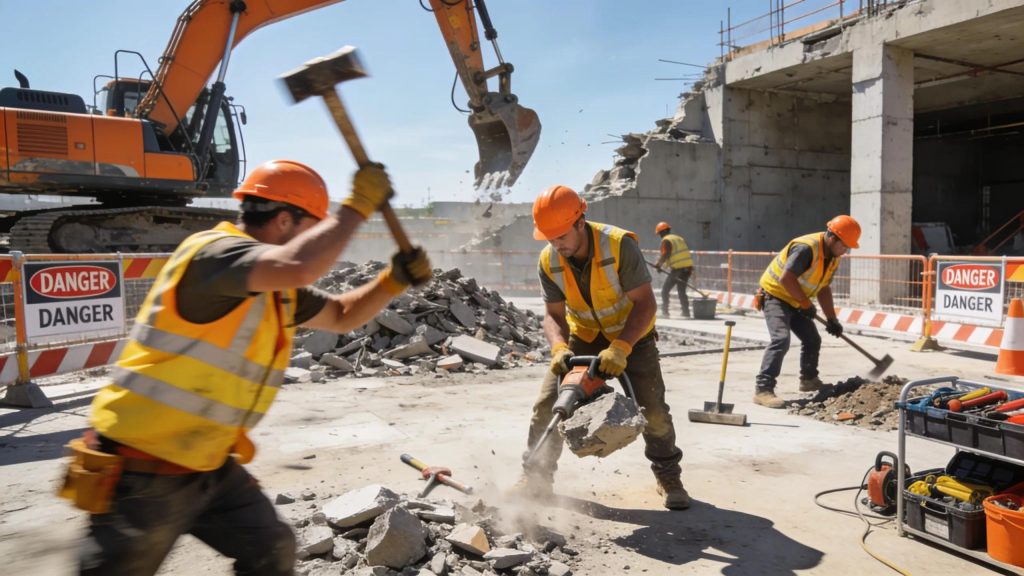
Top Demolition Safety Practices and Guidelines for Contractors in Boynton Beach
Demolition work involves significant hazards; contractors in Boynton Beach, FL, must apply rigorous safety protocols to meet regulatory obligations and protect personnel. This article summarises the principal safety measures used to maintain compliance and reduce onsite incidents. Topics include OSHA demolition standards, structured risk assessment, tree removal procedures related to demolition, Boynton Beach regulations, contractor training requirements, and emergency response planning. Implementing these practices improves worker safety, reduces project interruptions, and strengthens organizational accountability while supporting sustainable demolition practices specific to the Boynton Beach region.
Key OSHA Demolition Safety Standards Contractors Must Follow
The Occupational Safety and Health Administration (OSHA) establishes mandatory standards for demolition operations that define contractor responsibilities and safe work practices applicable nationwide, including Boynton Beach, FL. Core requirements address hazard communication, selection and use of personal protective equipment (PPE), machinery operation controls, and site-specific safety plans tailored to local environmental and regulatory conditions. Additional emphasis is placed on controlling hazardous materials such as asbestos and lead-based paint, frequently encountered in demolition sites throughout Boynton Beach’s older buildings. Consistent adherence to these standards reduces exposure to recognized hazards and supports regulatory compliance throughout the project lifecycle.
How OSHA Guidelines Reduce Demolition Site Accidents
OSHA guidance reduces accidents by specifying procedural controls, training expectations, and engineering safeguards. Well-implemented programs emphasize hazard identification, operator competency, and documented safe work procedures, which together lower the frequency of incidents involving falls, struck-by events, and equipment failures. Contractors in Boynton Beach should review and update practices routinely to reflect regulatory changes and evolving site conditions. Incorporating innovative technologies such as drone inspections and real-time monitoring systems further enhances safety oversight and incident prevention.
Personal Protective Equipment Required for Demolition Workers
PPE is a primary control for many demolition hazards. Required items typically include hard hats, eye protection, work gloves, hearing protection, high-visibility apparel, and fall arrest harnesses where applicable. Respiratory protection is critical when dealing with dust, asbestos, or chemical exposures common in Boynton Beach demolition environments. Each element addresses specific exposure pathways—for example, helmets for impact protection and goggles for particulate hazards—and failure to supply appropriate PPE can result in injury and regulatory enforcement. Contractors should ensure PPE is properly fitted and maintained to maximize effectiveness and comply with OSHA standards.
Effective Risk Assessment and Hazard Identification for Contractors
Effective risk assessment in Boynton Beach demolition projects combines pre-work surveys, structural evaluations, and utility locating to identify unstable elements, electrical risks, and environmental hazards unique to the region’s infrastructure and climate. Advanced imaging and testing methods, such as ground-penetrating radar and materials sampling, aid in detecting concealed dangers. Contractors should document findings in formal assessments that specify required controls, mitigation timelines, and responsible personnel. Clear documentation ensures that identified risks are addressed before work proceeds, aligning with best practices in Florida’s regulatory framework.
Demolition Safety: Regulations and Risk Assessment
The study examines factors related to applicable regulations and standards for safety during demolition operations in Polish conditions, emphasising the role of thorough risk assessments and strict adherence to occupational health and safety rules to ensure safe and hygienic working conditions.
Demolition works on Occupational Health and Safety in Poland, A Ambroziak, 2026
Construction Site Hazard Prevention Strategies
Risk reduction strategies in Boynton Beach include formalized training programs, defined communication protocols, and scheduled site inspections. Regular safety briefings and inspection checklists ensure that controls are implemented and maintained. Use of the hierarchy of controls—from elimination and substitution to engineering and administrative controls—normalizes safe practices and reduces variability in worker behavior and site conditions. Implementing technology-driven safety management systems facilitates real-time hazard tracking and incident reporting, critical for proactive risk management in the dynamic Boynton Beach construction environment.
Demolition Risk Management Implementation on Site
Onsite risk management requires a structured methodology using tools such as risk matrices, permit-to-work systems, and documented change controls. Engaging personnel through toolbox talks and feedback mechanisms strengthens compliance and enables rapid adjustment of controls as conditions change. Case evidence shows active worker involvement correlates with lower incident rates. Additionally, involving safety professionals and creating safety committees fosters a proactive safety culture essential for compliance with Boynton Beach safety mandates.
Safe Procedures for Tree Removal Related to Demolition Projects
Tree removal connected to demolition in Boynton Beach requires detailed planning, hazard assessment, and the use of approved techniques to protect workers and property. Contractors must confirm operator qualifications, perform site clearance, and select controls such as exclusion zones and appropriate rigging to manage falling limbs and debris. Incorporating environmental considerations ensures protection of surrounding ecosystems and compliance with local conservation laws prevalent in Boynton Beach, which may include additional protections for native species and habitats.
Certified Operators Ensuring Safety During Tree Removal
Certified operators demonstrate competence through formal training and practical assessment, enabling them to evaluate tree stability, identify hazards, and apply recognized removal techniques. Their qualifications reduce operational risk and help ensure adherence to industry standards and applicable regulations including those specific to Boynton Beach and Florida. Ongoing professional development keeps operators current with best practices and evolving safety standards to maintain safe operations.
Precautions to Prevent Property Damage and Accidents in Tree Services
Preventive measures include establishing exclusion perimeters, conducting aerial and ground assessments, employing correct rigging and, where necessary, using cranes to control loads. Pre-work surveys of the surrounding infrastructure and communication with adjacent property owners further reduce the likelihood of damage. Documentation of precautionary actions supports liability management and regulatory compliance, both vital in the Boynton Beach community where residential and commercial properties often exist in close proximity.
Specific Boynton Beach Demolition Regulations Contractors Must Comply With
Local Boynton Beach ordinances affect demolition planning and execution, addressing debris containment, noise limits, erosion control, and environmental protection tailored to the city’s coastal setting. Contractors must integrate these local requirements into project plans to limit legal exposure and maintain community safety. Coordination with local agencies and obtaining necessary permits ensure alignment with municipal standards and help avoid fines or work stoppages.
Impact of Local Ordinances on Demolition Safety and Debris Containment
Local regulations dictate acceptable methods for debris containment, transport, and disposal and may specify noise and dust control measures. Examples include requiring covered debris trucks and using water sprays to minimize airborne particles, particularly important in Boynton Beach’s humid and coastal climate to prevent environmental contamination. Complying with these ordinances protects public welfare and reduces the risk of citations; contractors should confirm local requirements during project planning and adjust work schedules to minimize community disturbances.
Permit Requirements for Demolition Projects in Boynton Beach
Demolition permits in Boynton Beach generally require submission of project plans, waste management strategies, and documentation of safety measures. Expedited review options may be available for emergency demolitions. The permitting process verifies that proposed activities comply with local standards and that adequate controls are in place to protect workers and residents. Timely application and adherence to permit conditions help avoid costly delays and penalties, ensuring project continuity and legal compliance.
Contractor Safety Training Enhances Demolition Site Safety
Structured safety training equips personnel in Boynton Beach with the knowledge to recognize hazards, operate equipment safely, and follow emergency procedures. Integrating scenario-based exercises and using technology-enabled learning platforms enhances participant engagement and retention. Regular, documented training reduces operational errors, supports regulatory compliance, and reinforces a consistent safety culture across projects within the Boynton Beach area and similar locales.
Effective Training for Demolition Operative Competency
Competency based training modules have been adopted in multiple jurisdictions to develop demolition operative skills, increase health and safety standards and reduce environmental impacts. The study notes variation in national standards and highlights the need for updated procedures to mitigate risk.
Effective Training Factors for Competency of Demolition Operatives in Malaysia, AB Abdullah, 2015
Safety Protocols Covered in Demolition Training Programs
Comprehensive demolition training addresses hazard recognition, safe equipment operation, permit systems, and emergency response procedures. Programs should combine classroom instruction with practical assessments to verify competency under real-world conditions. Training content is regularly reviewed and updated to incorporate lessons learned from incident investigations and emerging industry standards relevant to Boynton Beach contractors.
Role of Emergency Response Planning in Contractor Safety
Emergency response planning provides a predefined sequence of actions for managing incidents, including roles, communication channels, and mobilization of emergency services. Plans must account for differing emergency scenarios such as structural collapse, fire, and hazardous material releases. Regular drills and plan reviews ensure personnel understand procedures and can execute them effectively when required. Collaboration with local emergency responders in Boynton Beach enhances preparedness and coordination, ensuring swift and professional incident management.
Safe Management of Emergency Response and Site Cleanup After Demolition
Post-demolition response and cleanup require controlled procedures for hazard identification, containment, and removal of debris. Implementing structured cleanup protocols protects workers and the public while ensuring compliance with disposal and environmental regulations specific to Boynton Beach and Florida. Use of specialized equipment and proper training in hazardous waste handling are critical components of successful site restoration and environmental stewardship.
Best Practices for Hazardous Material Handling During Cleanup
Best practices include precise identification and labelling of hazardous materials, containment of contaminated items, use of appropriate PPE, and adherence to hazardous waste disposal regulations. Training personnel on these procedures minimises exposure and ensures regulatory compliance. Employing certified hazardous materials specialists and developing site-specific hazardous material management plans enhances safety and efficiency while meeting Boynton Beach’s environmental protection standards.
How Fast Response Minimizes Risk After Demolition Activities
A rapid, organized response to post-demolition hazards limits secondary incidents and reduces public exposure. Predefined assessment procedures, clear communication protocols, and assigned response teams enable swift hazard mitigation and site stabilization. Protecting site boundaries and public access points during cleanup mitigates risks to the community and supports positive stakeholder relations in Boynton Beach’s residential and commercial areas.
Frequently Asked Questions
What are the key steps for conducting a thorough demolition site inspection?
Key steps include conducting a pre-demolition survey to identify unstable structures and hazardous materials, verifying permits and the availability of PPE, and compiling a formal checklist of required controls. Inspectors should document findings and communicate required corrective actions to the team, with follow-up inspections as work progresses. Incorporating digital inspection tools improves accuracy and record-keeping.
How can contractors ensure compliance with environmental protection regulations during demolition?
Contractors should review applicable federal, state, and local environmental regulations, develop a waste management plan that specifies recycling and authorized disposal procedures, and engage environmental consultants when assessments are required. Implementing containment measures for dust, runoff, and emissions supports regulatory compliance. Continuous monitoring and reporting help demonstrate environmental stewardship and prevent violations.
What role does communication play in maintaining safety on demolition sites?
Clear communication ensures that workers understand safety protocols, current hazards, and task assignments. Regular briefings, documented handovers, and visible signage reduce miscommunication. Encouraging reporting of hazards and near misses promotes continuous improvement in site safety. The use of communication technology such as two-way radios or mobile apps enhances coordination and emergency responsiveness.
How often should demolition teams undergo safety training?
Teams should receive formal training at induction and at least annually thereafter, with additional refreshers whenever new equipment, procedures, or incidents occur. Regular training maintains competence, addresses regulatory updates, and reinforces safe practices. Tailoring training to site-specific risks maximizes relevance and effectiveness.
What should be included in an emergency response plan for demolition projects?
An emergency response plan should define immediate actions for incidents, emergency contacts, notification procedures, evacuation routes, assembly points, and first aid protocols. The plan must be practiced through drills and reviewed periodically to remain effective. Including contingencies for severe weather events and community emergency coordination strengthens resilience.
How can contractors assess the effectiveness of their safety practices?
Assessment methods include scheduled audits, analysis of incident and near miss data, worker safety surveys, and post-project reviews. Using performance indicators and incorporating audit findings into corrective actions sustains continuous improvement. Benchmarking against industry best practices and standards supports operational excellence and competitive advantage.
How much does a demolition contractor cost?
The cost of hiring a demolition contractor varies depending on several factors, including the size and complexity of the project, location, type of demolition required, and disposal fees. Contractors typically provide an estimate after assessing the scope of work. While prices can range widely, obtaining multiple quotes helps ensure competitive and fair pricing for the services rendered.
What qualifications do you need for demolition?
Demolition contractors and workers should have relevant training and certifications that comply with OSHA requirements and local regulations. Qualifications often include safety training in hazard recognition, operation of demolition equipment, handling of hazardous materials, and emergency response. Additionally, certifications for specific tasks such as asbestos removal or crane operation may be required. Ongoing education and competency assessments ensure personnel remain qualified and up to date with Boynton Beach and Florida safety standards.
Conclusion
Adopting rigorous safety procedures and complying with local and federal requirements enable Boynton Beach contractors to reduce demolition risks and protect workers and the public. Familiarity with OSHA standards, planned emergency response measures, controlled tree removal practices, and consistent training strengthens operational reliability and regulatory adherence. Review these practices and integrate them into project planning to maintain safe, compliant demolition operations in Boynton Beach, FL. Staying informed on emerging trends, innovative safety technologies, and regulatory updates enhances contractor preparedness and project success in the evolving demolition industry.