Demolition Contractors vs General Contractors: Key Differences
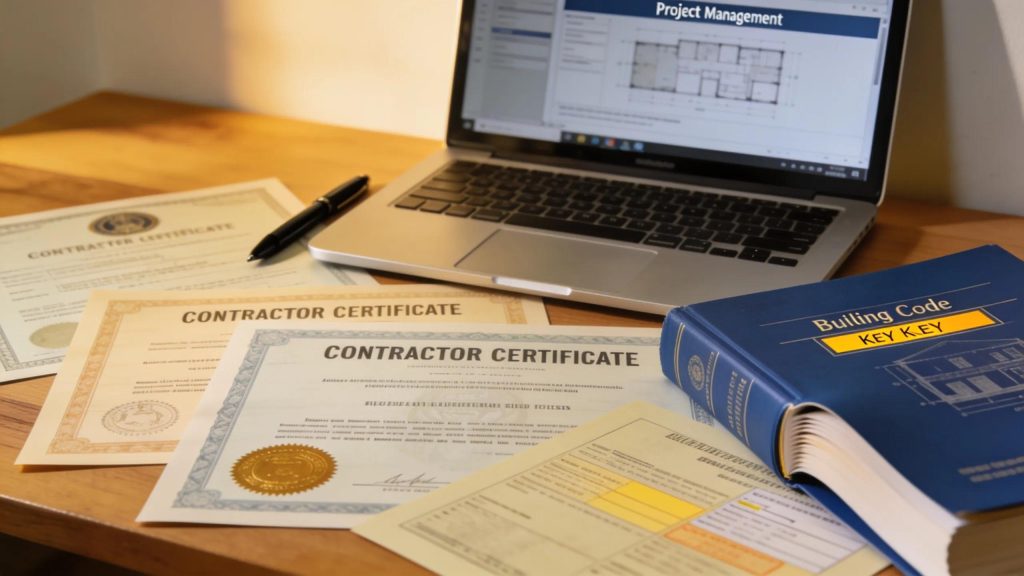
Demolition Contractors vs General Contractors: Key Differences Homeowners and Commercial Owners Need to Know
Recognising the differences between demolition contractors and general contractors is essential for homeowners and commercial property owners planning construction work in Delray Beach, FL. Both disciplines are integral to building and renovation, but their functions, regulatory responsibilities, and operational scopes differ significantly. This comprehensive article explores their unique roles, licensing requirements, project types, and safety standards, while also providing valuable considerations for selecting the appropriate contractor. Additionally, it highlights the crucial coordination of tree care during demolition or construction projects to ensure environmental stewardship.
Primary Roles of Demolition and General Contractors
Demolition contractors specialise in the controlled, safe removal of structures ranging from residential homes to large commercial facilities. Their expertise lies in executing teardowns and site clearance efficiently while minimizing risk and preparing sites for future use.
General contractors oversee the entire construction process, including project planning, execution, and on-site management. They coordinate procurement, scheduling, and subcontractors, ensuring that each project meets its scope, timeline, and quality standards.
Demolition Contractors’ Approach to Building Teardown and Site Clearance
Demolition contractors use a variety of industry-specific techniques tailored to the building and site conditions. Structural assessments inform the choice of demolition methods—such as mechanical dismantling, selective demolition, or implosion—while preparatory steps include hazardous material abatement and utility disconnections.
Throughout demolition operations, contractors implement strict safety protocols and manage logistics for debris removal. They employ specialized equipment and strategies to control dust, noise, and vibrations, thereby protecting nearby structures, residents, and workers while maintaining site organization.
General Contractors’ Typical Duties in Construction Projects
General contractors carry comprehensive responsibilities that encompass all phases of construction. These include meticulous planning, accurate budgeting, scheduling adherence, and effective on-site oversight to meet contractual milestones. They act as the primary liaison for clients, providing regular progress updates and promptly addressing project challenges.
Additionally, general contractors manage subcontractor coordination across multiple trades—such as plumbing, electrical work, and carpentry—and ensure strict compliance with building codes and safety regulations, facilitating seamless and efficient project delivery.
Licensing and Certification Requirements for Demolition and General Contractors
Licensing and certifications are vital to confirm contractor competence, legal compliance, and promote safe and effective project outcomes. Demolition contractors typically require special permits related to hazardous materials handling and demolition practices, alongside formal safety training and environmental compliance credentials.
General contractors generally hold broader construction licenses recognized by local jurisdictions. These credentials reflect expertise in building codes, contract administration, and site safety management. Many general contractors also obtain certifications in project management and occupational safety to enhance their qualifications.
Licenses and Insurance Demolition Contractors Must Obtain
Demolition contractors must secure targeted licenses that demonstrate their knowledge of demolition safety standards and methodologies, often validated through examinations or documented experience. They are also required to maintain comprehensive insurance, including general liability coverage to protect against accidents and environmental liability insurance where hazardous substances like asbestos are involved.
These legal and insurance provisions are essential to safeguard workers, the public, and the environment during demolition operations, as well as to ensure adherence to regulatory requirements.
Essential Certifications for General Contractors’ Compliance
General contractors are expected to hold certifications evidencing their familiarity with construction law, applicable codes, and safety standards, achieved through formal education, licensing processes, or substantial practical experience.
Additional credentials frequently include OSHA training for workplace safety and recognized certifications in project management, which support effective coordination and risk management across diverse project scales.
Project Types and Costs Associated With Each Contractor
Each contractor type specializes in different project categories aligned with their expertise. Demolition contractors focus on dismantling and removing existing structures that vary from residential homes to large industrial complexes, requiring detailed hazard planning and logistical management.
Conversely, general contractors oversee a broader range of projects—including new construction, significant renovations, and expansions—directing multiple trades and ensuring strict compliance with codes and specifications throughout the project’s lifecycle.
Common Residential and Commercial Demolition Costs
Demolition costs fluctuate based on factors such as structure size, complexity, site location, and demolition methods employed. Residential demolitions in Delray Beach generally range from $3,000 to $25,000, while commercial projects often involve higher budgets, typically from $20,000 up to $200,000 or more depending on scale.
Additional expenses may arise from hazardous material remediation, permit fees, and extensive site cleanup requirements. Clients are advised to obtain detailed, itemized estimates that clarify these cost drivers prior to hiring contractors.
Typical Projects Managed by General Contractors
General contractors manage a comprehensive array of projects, spanning modest residential remodels to full-scale commercial developments. Typical projects include single-family homes, multi-unit apartments, retail spaces, and office interiors throughout Delray Beach and surrounding areas.
They also undertake extensive remodels intended to modernize older structures while enhancing functionality and ensuring code compliance. Their expertise in project management fosters effective collaboration among stakeholders and adherence to project timelines and quality benchmarks.
Safety Standards and Risk Prevention in Demolition and Construction
Safety regulations are paramount in both demolition and construction, though applied with specificity to address the unique hazards of each sector. Demolition work involves heightened risks such as structural collapse and hazardous material exposure, demanding rigorous adherence to OSHA standards, comprehensive site inspections, and mandatory use of personal protective equipment (PPE).
General contractors focus on proactive risk mitigation strategies that safeguard all personnel on-site. These strategies include regular safety meetings, targeted workforce training, enforcement of building and safety codes, and ongoing hazard assessments throughout the project.
OSHA Compliance Requirements for Demolition Contractors
OSHA mandates demolition contractors to implement systematic safety programs that include thorough site inspections, documented employee training on equipment use and hazard recognition, as well as measures to control hazardous materials and environmental risks.
Contractors must maintain detailed safety documentation and protocols emphasizing hazard identification and emergency response. Noncompliance exposes contractors to significant penalties and elevates the risk of accidents and operational disruptions.
Managing On-site Safety and Risk Mitigation by General Contractors
General contractors employ structured safety management systems beginning with comprehensive pre-project risk assessments and continuing through final project completion. Safety controls are customized based on the specific dangers presented by each project and are reinforced by regular safety briefings for subcontractors and site personnel.
They may also incorporate technological innovations and engineered controls to reduce workplace risks and ensure adherence to jurisdictional regulations, thereby maintaining a safe work environment throughout construction activities.
Tree Care Integration During Demolition and Construction Projects in Delray Beach, FL
Tree care integration is a critical element in demolition and construction projects, especially in urban and suburban areas such as Delray Beach. Early arboricultural planning helps preserve valuable trees, minimizing environmental impact while enhancing site safety and aesthetics.
During demolition, preserving adjacent trees requires careful assessment and protective measures. Engaging certified arborists ensures establishment of protective zones, proper pruning, or removal decisions that safeguard tree health and prevent interference with construction activities.
Specialized Tree Removal and Pruning Services Supporting Safe Demolition
Specialized tree removal and pruning services assess species, tree health, and proximity to demolition zones to determine necessary interventions. Tree removal is executed using professional-grade equipment and skilled personnel to avoid damage to surrounding property.
Pruning enhances the long-term vitality of retained trees by reducing branch interference with demolition or construction, ensuring the preservation of the site’s natural landscape throughout and beyond the project lifecycle.
Emergency Tree Services in Support of General Contractor Operations
Emergency tree services provide critical rapid responses to tree-related hazards, such as storm damage or unexpected tree failures, that threaten construction project safety or timelines. General contractors frequently coordinate with these emergency professionals in Delray Beach to promptly resolve risks and prevent project delays.
These timely interventions protect project integrity, neighbouring properties, and maintain continuous workflow under adverse conditions, underscoring the importance of integrated emergency readiness in construction management.
Hiring Contractors Locally in Delray Beach, FL: Key Considerations for Homeowners and Commercial Property Owners
Conducting thorough due diligence is vital when selecting contractors, whether for demolition or general construction. Key factors include verifying current licenses, insurance coverage, and adherence to local regulations and safety standards, ensuring the protection of property and people.
Clients should also review contractors’ portfolios and references to evaluate past performance. Opting for local professionals familiar with Delray Beach’s permitting processes, building codes, and community nuances reduces regulatory challenges and facilitates smoother project delivery.
Advantages of Choosing Licensed Demolition and General Contractors in Delray Beach, FL
Engaging licensed contractors in Delray Beach offers significant advantages. Licensing confirms contractors’ knowledge of local codes, permitting requirements, and established safety protocols, which is essential for competent project oversight and regulatory compliance.
Licensed contractors typically secure insurance policies that limit financial risks for clients in case of accidents or damages. Choosing local experts who understand regional environmental and regulatory factors contributes to efficient and effective project execution.
Important Questions to Ask About Contractor Services and Safety
Prospective clients should ask targeted questions to assess contractor qualifications and safety practices. Essential inquiries include:
- What licenses and insurance do you hold? – Verifying legal compliance to ensure all parties are protected.
- Can you provide references from past clients? – Gathering insights into contractor reliability and workmanship.
- What safety measures do you implement on-site? – Understanding protocols to evaluate commitment to worker and public safety.
These questions foster transparency, help establish trust, and clarify expectations regarding safety, compliance, and project management.
Frequently Asked Questions
What Factors Should Homeowners Consider When Choosing Between Demolition and General Contractors?
Homeowners should evaluate the specific project scope, technical requirements, and budget constraints. Determine whether the project necessitates specialized demolition expertise or comprehensive construction management. Consider contractor experience, client testimonials, and local regulatory knowledge to ensure a successful outcome.
How Can I Ensure the Safety of My Property During Demolition?
Protect property by hiring licensed, experienced demolition contractors who adhere to stringent safety protocols. Confirm that the contractor conducts thorough site assessments, erects protective barriers, and coordinates utility disconnections efficiently. In areas with valuable vegetation or sensitive structures, involve professional tree care specialists to further mitigate risks.
What Should I Expect During the Demolition Process?
Demolition typically follows defined phases: initial site evaluation, acquiring permits, preparatory work including utility disconnections and hazardous material removal, followed by execution of the demolition method and systematic debris management. Contractors should provide regular updates to maintain transparency and trust throughout the process.
How Do Demolition Costs Compare to General Construction Costs?
Demolition costs are influenced by logistical complexities and specialized equipment requirements, differing from general construction expenses which encompass materials, labor, and broader permitting. Owners should obtain comprehensive, itemized estimates for both to accurately assess and budget for all phases of their project.
Are There Environmental Considerations When Hiring Contractors for Demolition?
Environmental responsibility is central to demolition planning. Engage contractors who comply with all environmental regulations, responsibly manage hazardous waste, and implement recycling or repurposing strategies where possible. Professional tree care integration also supports ecological sustainability on-site.
How Can I Verify a Contractor's Credentials?
Verify credentials by consulting state or local licensing authorities, requesting proof of insurance, and reviewing documented experience and qualifications. Contact past clients for references and consult reputable online resources to assess the contractor’s reputation and performance history.
What Are the Risks of Hiring Unlicensed Contractors?
Hiring unlicensed contractors exposes property owners to significant legal and financial risks, including substandard workmanship and non-compliance with safety regulations. Unlicensed operators often lack sufficient insurance, increasing owner liability in the event of accidents, damages, or regulatory violations.
What are three types of contractors?
There are generally three main types of contractors: demolition contractors, general contractors, and specialty contractors. Demolition contractors focus on safe and controlled building removal. General contractors manage the overall construction process, overseeing various aspects and trades. Specialty contractors handle specific trades or tasks such as electrical, plumbing, or HVAC work, providing expertise in their particular field.
What does it cost to demolish a 2000 sq ft house?
The cost to demolish a 2000 square foot house typically varies depending on location, structural complexity, and methods used. On average, homeowners in Delray Beach can expect demolition costs ranging from $6,000 to $20,000. Additional expenses may include permits, hazardous material removal, and site cleanup. It is advisable to obtain detailed estimates from licensed demolition contractors to understand all potential costs for the specific project.
Conclusion
Choosing the right contractor is a critical determinant of construction project safety, quality, and success. Understanding the distinct roles and responsibilities of demolition versus general contractors empowers property owners in Delray Beach, FL to make informed decisions aligned with their project goals. Prioritizing licensed, experienced professionals ensures regulatory compliance and effective risk management. Start your contractor search with clear criteria to lay a strong foundation for timely, safe, and successful project completion.