Demolition Process Steps in Boynton Beach | Safe Methods
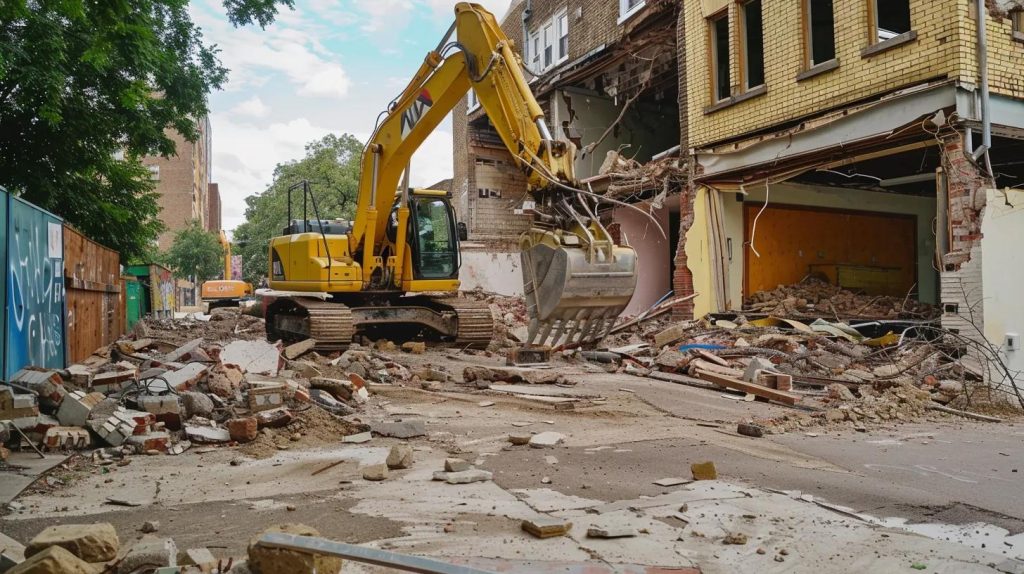
Essential Steps in the Demolition Process: Comprehensive Safety and Compliance Guide
Demolition is a highly specialized and complex activity that demands rigorous planning, expert execution, and strict adherence to safety and regulatory standards. This authoritative guide outlines the critical phases—site assessment, hazard identification, permitting, tree removal, equipment selection, waste management, and safety protocols—and emphasizes the indispensable role of qualified professionals in ensuring safe, efficient, and compliant operations. Meticulous management of these components mitigates the substantial risks inherent in demolition work. By integrating industry best practices, leveraging cutting-edge technology, and complying with evolving regulations, demolition projects can be completed responsibly, minimizing environmental impact and safeguarding public health and property.
What Are the Initial Steps in Demolition Site Assessment and Planning?
Initial site assessment and planning commence with a comprehensive evaluation conducted by multidisciplinary teams of experts, including structural engineers, environmental consultants, and safety specialists. This evaluation identifies hazards, documents existing structures, verifies site conditions, and determines all necessary permit requirements. A thorough assessment establishes robust safety controls prior to demolition, significantly reducing risks to personnel and the environment while ensuring full compliance with local, state, and federal codes and standards. Early stakeholder engagement—including community consultation and coordination with utility providers—is essential to anticipate and mitigate potential disruptions and regulatory challenges.
How to Identify Hazards and Evaluate Site Conditions
Accurate hazard identification and site condition evaluation are foundational to safe demolition planning. Common hazards include structural instability, presence of hazardous materials, and environmental exposures. Leading evaluation techniques include:
- Site Inspections : Conducting detailed inspections using advanced technologies such as 3D laser scanning, drone surveys, and ground-penetrating radar to enhance accuracy and worker safety.
- Material Analysis : Performing rigorous testing for hazardous substances like asbestos, lead, and other regulated materials, ensuring compliance with environmental and occupational health regulations.
- Environmental Assessments : Comprehensive evaluation of potential environmental impacts, including soil contamination, water runoff, and the presence of protected species or habitats, to develop effective mitigation strategies.
- Risk Assessment Software : Utilizing state-of-the-art software to model potential hazards and simulate demolition scenarios, enabling proactive risk management and contingency planning.
Systematic hazard identification enables the implementation of targeted controls to protect workers, the public, and the environment. Integration of real-time monitoring technologies and collaboration with certified industrial hygienists and environmental specialists ensures adherence to the highest health and safety standards throughout the demolition process.
Which Permits and Regulatory Approvals Are Required for Demolition?
Obtaining all required permits and regulatory approvals prior to demolition is mandatory. Permit requirements vary by jurisdiction and project scope but typically include:
- Demolition Permit : Issued by local authorities to verify compliance with safety, zoning, and building codes, often requiring detailed project plans and comprehensive safety protocols.
- Environmental Permits : Required when demolition activities may impact local ecosystems or involve hazardous materials, including air quality permits, waste disposal authorizations, and water discharge permits.
- Utility Disconnection Approvals : Coordination with utility providers to safely disconnect water, gas, electricity, and telecommunications services, preventing hazards and service interruptions.
- Historic Preservation Approvals : Necessary when structures have historical or cultural significance, ensuring compliance with heritage conservation laws and guidelines.
Proactive engagement with regulatory agencies and meticulous adherence to application procedures minimize approval delays and ensure consistent compliance. Maintaining transparent communication and comprehensive documentation throughout the permitting process is critical for project success and legal accountability. Employing experienced permit consultants or legal advisors can streamline this process and address complex regulatory nuances effectively.
How Is Tree Removal and Site Clearing Integrated into Demolition Preparation?
Site clearing, including professional tree removal, is a vital preparatory step that enhances safety, facilitates equipment access, and supports environmental stewardship. The critical aspects of tree removal include:
- Safety : Eliminating trees that pose risks of falling or obstructing demolition activities protects workers, equipment, and adjacent properties.
- Access : Clearing vegetation ensures unobstructed access for heavy machinery and demolition crews, optimizing workflow and minimizing operational delays.
- Environmental Considerations : Engaging certified arborists and tree removal specialists ensures responsible and sustainable practices, including compliance with local ordinances and protection of endangered species.
- Permitting and Compliance : Tree removal often requires specific permits and must adhere to environmental regulations, including reforestation and habitat preservation mandates.
For expert tree removal services, engage reputable providers such as AXEL Tree Service Reading PA, who employ industry-leading techniques and equipment to minimize environmental impact and ensure regulatory compliance. These professionals also offer consultation on site restoration and replanting strategies post-demolition, supporting sustainable site management.
Why Is Professional Tree Removal Critical for Demolition Safety?
Professional tree removal is essential to mitigate risks associated with untrained or improper removal efforts. Certified arborists and trained crews apply scientifically validated techniques to control tree felling and limb removal, safeguarding adjacent structures and equipment. Key benefits of hiring professionals include:
- Expertise : Certified arborists possess in-depth knowledge of tree biology, removal techniques, and safety standards, ensuring compliance with environmental and occupational regulations.
- Specialized Equipment : Professionals utilize advanced machinery such as cranes, chippers, and protective gear to execute safe and efficient tree removal.
- Risk Mitigation : Expert services include comprehensive site hazard assessments and implementation of safety measures, including emergency response planning.
- Insurance and Liability : Licensed tree removal companies carry comprehensive insurance coverage, protecting property owners and contractors from liability in case of accidents or damages.
Contracting professional tree services enhances overall project safety, supports regulatory compliance, and contributes to maintaining project timelines by preventing delays caused by improper tree handling. Additionally, professionals provide essential documentation for regulatory and insurance purposes.
What Emergency Tree Services Support Risk Prevention Before Demolition?
Emergency tree services play a crucial role in mitigating imminent risks posed by unstable or damaged trees prior to demolition. These services address urgent hazards that could compromise site safety. Key emergency services include:
- Storm Damage Response : Rapid removal of trees damaged or at risk of falling due to severe weather events, preventing further property damage or injury.
- Hazardous Tree Assessment : Expert evaluation of trees to identify potential risks and recommend removal or stabilization measures.
- 24/7 Availability : Many emergency tree service providers offer round-the-clock response capabilities to address urgent safety concerns promptly.
- Emergency Stabilization : Temporary interventions such as cabling or bracing to stabilize trees until safe removal can be performed.
Access to professional emergency tree services ensures timely hazard mitigation, reducing risks during demolition. Integrating these services into the overall demolition safety plan enhances resilience against unforeseen events. Coordination with emergency responders and site safety officers ensures comprehensive risk management and rapid response.
What Equipment and Techniques Are Used in Residential and Commercial Demolition?
Demolition projects employ specialized equipment and techniques tailored to site conditions, structure types, and project objectives. Common equipment includes:
- Excavators : Heavy-duty machines equipped with versatile attachments such as hydraulic breakers, grapples, and shears for efficient material handling and demolition.
- Wrecking Balls : Traditional demolition tools effective for large structures, though increasingly replaced by more precise alternatives.
- Bulldozers : Essential for site clearing, grading, and debris management, facilitating smooth site preparation.
- High-Reach Demolition Machines : Specialized excavators with extended arms designed for safe dismantling of tall or complex structures.
- Robotic Demolition Equipment : Remote-controlled machines that enhance operator safety by allowing operation from a distance in hazardous environments.
Demolition methods vary based on project requirements and include implosion, deconstruction, and selective demolition. Deconstruction prioritizes material recovery and reuse, aligning with sustainability goals. Advanced techniques such as robotic demolition and high-reach excavators improve safety and precision in complex projects. Controlled implosion requires expert planning and coordination with explosive specialists and local authorities to ensure safety and minimize disruption.
Which Heavy Machinery Is Essential for Safe Demolition Execution?
Heavy machinery is indispensable for the safe and efficient execution of demolition tasks. Essential equipment includes:
- Excavators : Versatile machines used for digging, lifting, and demolishing structures, often equipped with remote-control capabilities to enhance operator safety.
- Skid Steer Loaders : Compact and maneuverable machines ideal for debris removal, site grading, and operations in confined spaces.
- Dump Trucks : Critical for transporting debris and waste from demolition sites to authorized disposal or recycling facilities, supporting efficient site management.
- Hydraulic Breakers : Attachments for excavators designed to break concrete, asphalt, and other hard materials.
- Crushers and Screeners : On-site equipment used to process demolition debris for recycling and reuse, reducing landfill impact.
Utilizing appropriate machinery enhances productivity while ensuring strict adherence to safety protocols. Regular maintenance, operator certification, and comprehensive training are vital to equipment reliability and safe operation. Pre-operation safety checks and adherence to manufacturer guidelines further mitigate risks.
How Do Remote-Controlled Technologies Enhance Demolition Safety?
Remote-controlled technologies represent a significant advancement in demolition safety by minimizing operator exposure to hazardous environments. These systems enable operators to control equipment from a safe distance, substantially reducing injury risk. Key benefits include:
- Increased Safety : Operators avoid direct exposure to dust, noise, structural collapse risks, and other hazards while maintaining effective equipment control.
- Precision Control : Remote operation facilitates precise movements, reducing the likelihood of accidents and collateral damage.
- Data Collection : Many remote-controlled systems integrate sensors and cameras to collect real-time data on site conditions, informing safety measures and optimizing demolition strategies.
- Integration with Monitoring Systems : Remote equipment can be linked with comprehensive monitoring platforms to enhance situational awareness and decision-making.
The adoption of remote technologies marks a transformative shift in demolition safety practices, enabling safer, more efficient project execution and supporting compliance with stringent safety standards. Ongoing research and development continue to expand the capabilities and applications of these technologies.
How Should Demolition Waste Be Managed to Ensure Environmental Compliance?
Effective demolition waste management is critical to environmental compliance and sustainability. Best practices include:
- Waste Segregation : Systematic separation of recyclable materials from non-recyclable waste to minimize landfill use and maximize material recovery.
- Proper Disposal : Adhering to local, state, and federal regulations for hazardous waste disposal, including the use of licensed facilities for materials such as asbestos and lead.
- Recycling Programs : Implementing comprehensive recycling initiatives to repurpose materials like concrete, metals, and wood, reducing environmental impact.
- Waste Tracking and Documentation : Maintaining detailed records of waste types, quantities, and disposal methods to ensure regulatory compliance and facilitate audits.
Strict adherence to these practices reduces environmental footprint and supports regulatory compliance. Incorporating digital waste tracking systems and collaborating with certified waste management companies ensures proper handling, disposal, and reporting.
What Are Best Practices for Demolition Waste Disposal and Recycling?
Best practices for demolition waste disposal and recycling focus on minimizing environmental impact and maximizing resource recovery. Key strategies include:
- Conducting Waste Audits : Comprehensive assessment of waste streams to inform disposal strategies and identify recycling opportunities.
- Partnering with Recycling Facilities : Collaborating with accredited recycling centers to ensure proper processing and compliance with environmental standards.
- Educating Workers : Providing thorough training to demolition crews on waste management protocols, fostering a culture of environmental responsibility and compliance.
- Implementing Circular Economy Principles : Designing demolition projects to maximize material reuse and minimize waste generation, supporting sustainability and resource efficiency.
Implementing these measures enhances environmental sustainability, improves project efficiency, and contributes to corporate social responsibility objectives. Leveraging innovative recycling technologies and materials recovery facilities further increases waste diversion rates.
How Do Environmental Regulations Impact Waste Management in Demolition?
Environmental regulations critically shape demolition waste management practices. Key regulatory frameworks include:
- Resource Conservation and Recovery Act (RCRA) : Governs hazardous waste disposal and promotes recycling, establishing stringent standards for waste handling and facility operations.
- Clean Air Act : Regulates emissions from demolition activities to protect air quality, including dust control and asbestos abatement requirements.
- State and Local Regulations : Vary by jurisdiction and may impose additional requirements such as landfill restrictions, recycling mandates, and specific disposal protocols.
- Occupational Safety and Health Administration (OSHA) Standards : Include mandates for safe handling of hazardous materials and protection of worker health during waste management operations.
Comprehensive understanding and strict compliance with these regulations are essential for successful demolition projects and environmental stewardship. Proactive regulatory engagement, continuous monitoring, and employment of environmental compliance officers support adherence and prevent violations and penalties.
What Safety Protocols and Risk Prevention Measures Are Mandatory During Demolition?
Mandatory safety protocols and risk prevention measures are fundamental to protecting workers, the public, and the environment during demolition. Key protocols include:
- Personal Protective Equipment (PPE) : Ensuring all personnel wear appropriate PPE tailored to site-specific hazards, including helmets, gloves, eye protection, respiratory masks, and high-visibility clothing.
- Site Safety Plans : Developing and implementing comprehensive safety plans detailing emergency procedures, hazard communication, equipment operation, and risk mitigation strategies.
- Regular Training : Providing ongoing, specialized safety training for all demolition personnel, covering hazard recognition, equipment use, and emergency response drills.
- Behavioral Safety Programs : Promoting safe work behaviors through programs that encourage hazard reporting and continuous safety improvement.
- Safety Audits and Inspections : Conducting frequent audits and inspections to identify and promptly correct safety deficiencies.
Strict adherence to these protocols significantly reduces risks and fosters a culture of safety. Incorporating behavioral safety initiatives and rigorous audits enhances compliance and worker engagement.
Extensive research underscores the critical role of comprehensive training and appropriate PPE in mitigating occupational hazards during demolition.
Demolition Safety: Hazards, Training, and PPE
Common hazards include risks of falls, being struck by falling objects, and sudden building collapses. Additionally, exposure to dust, chemicals, noise, and unstable structures presents significant occupational health risks to workers. Comprehensive training for demolition workers improves safety by ensuring they understand potential hazards. This includes job safety training, competency assessments, and the provision of personal protective equipment to mitigate risks.
Study of safety in demolition of buildings, 2017
Which OSHA Standards Govern Demolition Safety Procedures?
The Occupational Safety and Health Administration (OSHA) enforces standards that govern demolition safety procedures. Key standards include:
- OSHA 1926.850 : Specifies requirements for demolition operations, including site safety, hazard communication, and employer responsibilities to implement effective safety programs.
- OSHA 1926.851 : Addresses the handling and removal of hazardous materials during demolition, including asbestos and lead, mandating proper training and control measures.
- OSHA 1926.852 : Covers the safe use and maintenance of equipment and machinery in demolition activities.
- OSHA 1910 Subpart Z : Regulates exposure to toxic and hazardous substances, relevant to demolition workers handling hazardous materials.
Compliance with these standards is essential to protect workers and ensure legal conformity during demolition projects. Regular audits, inspections, and continuous improvement of safety management systems aligned with OSHA guidelines are strongly recommended.
How to Implement Protective Gear and Safety Checklists Effectively?
Effective implementation of protective equipment and safety checklists is critical to maintaining a safe demolition site. Key steps include:
- Assessing Risks : Conducting thorough hazard assessments to determine appropriate protective gear tailored to specific tasks and site conditions.
- Developing Checklists : Creating detailed, task-specific safety checklists that outline required equipment and procedures for each demolition phase, ensuring consistent compliance.
- Regular Inspections : Performing routine inspections to verify proper use of PPE and adherence to safety protocols, with immediate corrective actions as needed.
- Training and Communication : Providing comprehensive education on the importance and correct use of PPE and checklists, fostering a proactive safety culture.
- Utilizing Digital Tools : Leveraging digital checklist applications and wearable safety technologies to enhance real-time monitoring, reporting, and enforcement.
Prioritizing PPE and safety checklists substantially reduces accident and injury risks. Integration of digital tools and wearable technologies further strengthens safety oversight and compliance.
What Are the Essential Post-Demolition Cleanup and Inspection Steps?
Post-demolition cleanup and inspection are critical to confirm site readiness and regulatory compliance. Essential steps include:
- Debris Removal : Thorough clearing of all debris and waste using appropriate equipment and disposal methods, preparing the site for future construction or landscaping.
- Site Inspection : Comprehensive inspections to verify that all safety and environmental regulations have been met, including confirmation of hazardous material removal.
- Final Reporting : Detailed documentation of cleanup activities and inspection findings to ensure transparency and regulatory accountability.
- Site Restoration : Implementing ecological restoration measures such as soil stabilization, erosion control, and replanting to restore environmental balance.
These actions facilitate a safe transition of the site to its next phase and confirm full regulatory compliance. Engaging independent third-party inspectors provides additional assurance of thoroughness and impartiality. Comprehensive documentation supports future development and regulatory audits.
How to Conduct Thorough Site Cleanup Following Demolition?
Thorough site cleanup requires systematic and methodical procedures. Key practices include:
- Systematic Debris Removal : Employing structured approaches to remove all debris, ensuring hazardous materials are handled according to regulations and recyclable materials are properly separated.
- Environmental Restoration : Undertaking restoration activities such as replanting vegetation, remediating soil contamination, and implementing erosion control to support ecological recovery.
- Final Site Assessment : Conducting comprehensive assessments to confirm the site meets all regulatory requirements and is safe for future use, including necessary soil and water testing.
- Community Communication : Maintaining transparent communication with local stakeholders regarding cleanup progress and site status to build trust and support.
A comprehensive cleanup process ensures regulatory compliance and prepares the site for subsequent use, advancing sustainable development goals. Employing environmental consultants optimizes restoration efforts and ensures adherence to best practices.
What Inspection Procedures Ensure Compliance and Site Readiness?
Inspection procedures are vital to verify compliance and site readiness following demolition. Key procedures include:
- Compliance Checks : Confirming adherence to all safety, environmental, and permit requirements throughout the demolition process.
- Documentation Review : Thorough examination of all relevant documentation, including permits, waste disposal records, and safety protocols, to ensure completeness and accuracy.
- Final Approval : Securing official approval from local authorities to certify that the site is ready for its next phase, ensuring legal clearance and community safety.
- Third-Party Verification : Engaging independent inspectors to provide unbiased assessments of site conditions and regulatory compliance.
These procedures ensure that demolition projects meet all applicable legal and safety standards prior to site release. Maintaining detailed records supports future audits and project evaluations. Adoption of digital record-keeping systems enhances data accessibility and traceability.
Frequently Asked Questions
What are the common risks associated with demolition projects?
Common demolition risks include structural instability, exposure to hazardous materials such as asbestos or lead, and incidents involving heavy machinery. Additional hazards encompass falling debris, excessive noise, and airborne particulates. Effective risk mitigation requires comprehensive site assessments, strict enforcement of appropriate PPE use, and regular safety training for all personnel. Implementation of engineering controls, continuous monitoring, emergency preparedness, and clear communication protocols are also vital to managing unexpected incidents and ensuring worker and public safety.
How can technology improve safety in demolition?
Technology significantly enhances demolition safety by reducing personnel exposure and improving situational awareness. Remote-controlled machinery enables operators to work safely from a distance. Drones provide rapid, detailed site inspection data on structural conditions and hazards. Advanced planning and monitoring software support compliance tracking and operational oversight. Emerging innovations such as AI-driven hazard detection, wearable sensors, and Building Information Modeling (BIM) facilitate detailed project visualization and risk analysis, collectively advancing safety capabilities and operational efficiency.
What are the steps in a demolition process?
The demolition process typically involves the following steps: initial site assessment and planning, hazard identification and mitigation, obtaining necessary permits, site preparation including tree removal and utility disconnection, selection and mobilization of equipment, execution of demolition using appropriate techniques, waste segregation and disposal, and post-demolition site cleanup and inspection to ensure safety and regulatory compliance.
What is the sequence of demolition?
The sequence of demolition generally follows this order: first, site preparation including securing the area and disconnecting utilities; second, removal of hazardous materials; third, structural demolition starting from the top and working downward; fourth, debris removal and waste management; and finally, site cleanup and inspection to confirm compliance and readiness for future use.
How long does a demolition take?
The duration of a demolition project varies widely depending on factors such as the size and type of structure, site conditions, and regulatory requirements. Small residential demolitions may take a few days to a week, while large commercial or industrial demolitions can span several weeks to months. Proper planning, efficient execution, and contingency management help minimize project timelines. Weather conditions and unexpected site challenges can also impact duration.
What are the 4 methods of demolition?
The four common methods of demolition are: mechanical demolition using heavy machinery like excavators and bulldozers; implosion employing controlled explosives to bring down structures; deconstruction which involves carefully dismantling a building to salvage materials; and selective demolition focusing on removing specific parts of a structure while preserving others.
How long does it take to demolish a 30 by 40 feet house?
Demolishing a 30 by 40 feet house typically takes between one to three days, depending on factors such as the construction materials, site accessibility, and disposal logistics. This timeframe includes site preparation, demolition, debris removal, and initial cleanup.
Conclusion
Comprehensive understanding of the demolition process is essential to ensure safety, regulatory compliance, and environmental stewardship. Applying best practices in site assessment, hazard control, equipment selection, and waste management reduces risk and enhances operational efficiency. Engaging qualified professionals with proven expertise ensures adherence to applicable laws, standards, and industry innovations. Continuous education on technological advancements and regulatory updates further strengthens the safety and sustainability of demolition operations. A steadfast commitment to continuous improvement and adoption of innovative solutions positions demolition projects for success in an evolving regulatory and environmental landscape.