Demolition Safety Protocols Every Project Should Follow
Why Safety Protocols Matter in Demolition Work: Ensuring Compliance and Risk Prevention
Safety protocols in demolition work protect workers, the public, and property. They comprise procedural controls, engineering controls, and administrative measures intended to reduce the inherent risks of demolition activities. Adherence to established safety standards supports regulatory compliance and lowers incident rates. This article reviews critical safety measures for demolition, the role of personal protective equipment (PPE), and how systematic hazard assessments prevent accidents. It also addresses how local regulations in Reading, PA, and Boynton Beach, FL influence compliance requirements for demolition operations, providing an authoritative perspective on maintaining safety and legal adherence in diverse geographic contexts.
Essential Demolition Site Safety Measures
Demolition site safety measures are necessary to protect all personnel on site. Core measures include appropriate PPE, comprehensive hazard assessments, and strict observance of local regulations. Proper implementation of these measures also mitigates risks to adjacent properties and the surrounding community.
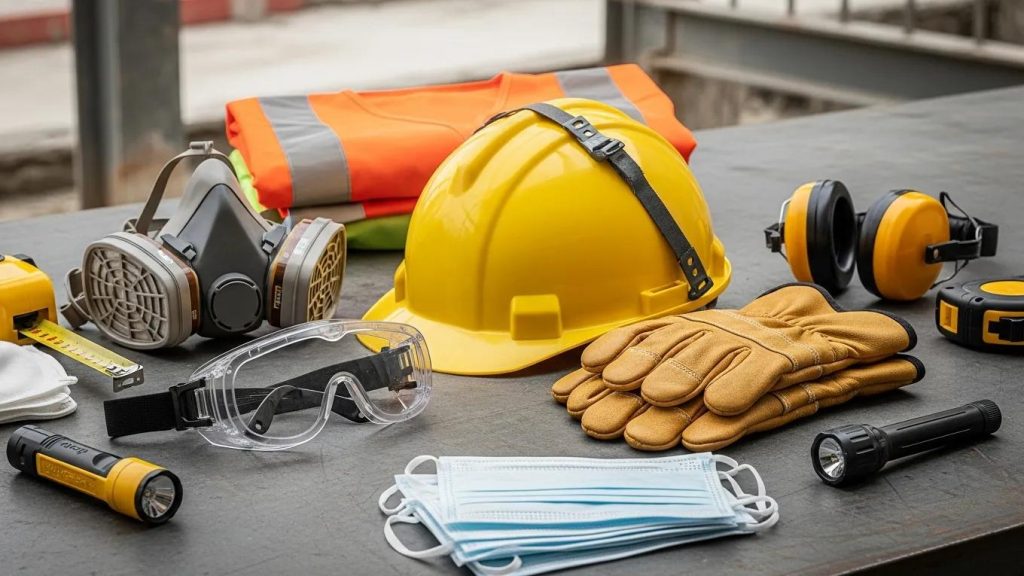
- Personal Protective Equipment (PPE): The use of appropriate PPE is vital in minimizing exposure to hazards. This includes hard hats, safety goggles, gloves, and respiratory protection, which collectively help prevent injuries and health issues.
- Hazard Assessments: Conducting regular hazard assessments allows teams to identify potential risks before work begins. This proactive approach helps in planning safe work practices and emergency responses.
- Compliance with Regulations: Adhering to local and federal regulations ensures that demolition activities are conducted safely and legally, reducing the risk of fines and accidents.
Personal Protective Equipment Required on Demolition Sites
Demolition sites require specific personal protective equipment tailored to identified hazards. Essential PPE typically covers head, eye, hand, and respiratory protection to address common site exposures.
- Hard Hats: Protect against head injuries from falling debris.
- Safety Goggles: Shield the eyes from dust and flying particles.
- Gloves: Provide hand protection from sharp objects and chemicals.
- Respirators: Essential for protecting against inhalation of harmful dust and fumes.
Each category of PPE reduces exposure to specific hazards on demolition sites and supports compliance with applicable safety regulations.
Hazard Assessment to Prevent Accidents During Demolition
Hazard assessments provide a structured method to identify and mitigate risks before work commences. The assessment process defines hazards, evaluates risk levels, and informs the selection of controls and work methods. This approach is critical for demolition teams working in varying environments such as Reading, PA, and Boynton Beach, FL, where regional factors like climate and building age can influence hazard profiles.
- Identifying Hazards: Recognizing potential dangers such as structural instability, electrical hazards, and exposure to hazardous materials.
- Evaluating Risks: Assessing the likelihood and severity of identified hazards to prioritize safety measures.
- Implementing Controls: Establishing safety protocols and procedures to minimize risks, including training workers on safe practices.
Thorough hazard assessments enable demolition teams to implement targeted controls and reduce the probability of accidents and injuries on site.
Construction Demolition Safety Guidelines Protecting Workers and Property
Construction demolition safety guidelines establish standardized practices to protect personnel and adjacent property. They define requirements for site preparation, equipment operation, and emergency response to manage known hazards effectively. Incorporating these guidelines into operations in Boynton Beach, FL ensures alignment with both state-specific standards and best practices recognized across the demolition industry.
- Overview of Guidelines: Safety guidelines provide a framework for safe demolition practices, including site preparation, equipment use, and emergency response procedures.
- Impact on Worker Safety: By following these guidelines, workers are less likely to experience injuries, leading to a safer work environment.
- Property Protection Measures: Guidelines also include measures to protect surrounding properties from damage during demolition, such as dust control and debris management.
Updated OSHA Demolition Safety Training Requirements for 2023
The Occupational Safety and Health Administration (OSHA) has revised training expectations to strengthen worker protection in demolition operations. The revisions emphasize more frequent instruction, expanded subject matter, and clarified certification requirements.
- Increased Training Frequency: More frequent training sessions to keep workers informed about the latest safety practices.
- Expanded Topics: Inclusion of new topics such as advanced hazard recognition and emergency response protocols.
- Certification Requirements: Enhanced certification processes to ensure that all workers are adequately trained and competent in safety practices.
These updates are intended to raise industry-wide safety performance and to ensure consistent compliance with federal training standards, benefiting demolition projects across all U.S. locations, including Boynton Beach.
Local Regulations in Reading, PA, and Boynton Beach, FL Influencing Demolition Safety Compliance
Local regulations in Reading, PA and Boynton Beach, FL establish jurisdiction-specific requirements that affect demolition planning and execution. These provisions often supplement federal standards and specify administrative and operational controls tailored to regional realities.
- Permitting: Obtaining the necessary permits before commencing demolition work, ensuring that all safety measures are in place.
- Inspections: Regular inspections by local authorities to verify compliance with safety standards and regulations.
- Community Safety: Regulations designed to protect the surrounding community from potential hazards associated with demolition activities.
Compliance with local ordinances in these cities helps demolition contractors meet regulatory obligations and reduces the likelihood of operational interruptions and incidents, promoting community trust and legal adherence.
Key Demolition Hazard Prevention Techniques
Effective hazard prevention relies on systematic risk management, appropriate safety equipment, and continuous workforce training. Each element contributes to predictable and controllable site conditions, critical in diverse climates such as Boynton Beach’s humid subtropical environment, which can introduce unique challenges like weather-related instability.
- Risk Management Strategies: Implementing strategies such as site assessments and safety planning to identify and mitigate potential hazards.
- Safety Equipment and Procedures: Utilizing appropriate safety equipment, such as scaffolding and fall protection systems, to prevent accidents.
- Training and Awareness: Ensuring that all workers are trained in safety procedures and aware of potential hazards on the job site.
Applied together, these techniques reduce exposure to hazards and maintain a safer environment for workers and the public.
Risk Management During Tree Removal and Stump Grinding Operations
Risk management for tree removal and stump grinding uses site-specific assessment, defined safety protocols, and emergency planning to address unique operational hazards.
- Site Assessment: Evaluating the work area for potential hazards, such as nearby structures and power lines.
- Safety Protocols: Establishing clear safety protocols for equipment use and worker safety.
- Emergency Preparedness: Developing emergency response plans to address potential accidents or injuries.
When these strategies are implemented, tree service providers can control operational risks and perform work with measured safety margins, an especially important consideration in areas prone to tropical storms like Boynton Beach.
Safety Equipment and Procedures to Minimize Demolition Hazards
Minimizing demolition hazards requires specified safety equipment and well-defined procedures. Equipment should be selected to address identified risks and integrated into standard operating procedures.
- Safety Equipment: Essential equipment includes harnesses, safety nets, and protective barriers to prevent falls and injuries.
- Procedures: Establishing clear procedures for equipment operation, site access, and emergency response ensures that all workers are prepared for potential hazards.
Consistent use of appropriate equipment and adherence to procedures are fundamental to preventing injuries and maintaining site control.
How a Demolition Safety Checklist Can Improve Site Safety and Efficiency
A demolition safety checklist standardizes pre-work verification and reduces the likelihood of omitted controls. It supports operational consistency and contributes to efficient task execution.
- Benefits of Checklists: Checklists provide a structured approach to safety, ensuring that no critical steps are overlooked.
- Key Items to Include: Essential items may include PPE requirements, hazard assessments, and emergency contact information.
- Impact on Efficiency: By streamlining safety processes, checklists can enhance overall efficiency on the job site.
Items to Include in a Comprehensive Demolition Safety Checklist
A comprehensive demolition safety checklist should document mandatory PPE, the results of hazard assessments, and established emergency procedures. These entries provide clear, actionable guidance for site personnel.
- PPE Requirements: Ensure all workers have the necessary protective gear.
- Hazard Assessment Results: Document findings from hazard assessments to inform safety practices.
- Emergency Procedures: Outline steps to take in case of an accident or emergency.
Maintaining these checklist items helps enforce consistent safety standards across demolition activities.
Role of Regular Safety Training in Reinforcing Checklist Effectiveness
Regular safety training ensures personnel understand and apply checklist requirements. Training converts documented controls into practiced behaviors through instruction and hands-on exercises.
- Reviewing Checklist Items: Regularly reviewing checklist items ensures that all workers are familiar with safety protocols.
- Practical Exercises: Conducting practical exercises helps workers apply safety measures in real-world scenarios.
- Feedback Mechanisms: Encouraging feedback from workers can identify areas for improvement in safety practices.
Combining frequent training with checklist use strengthens organizational safety culture and improves compliance with operational procedures.
Emergency Tree Service Safety in Demolition-Related Operations
Emergency tree service safety is critical where trees present an immediate hazard to demolition activities or surrounding infrastructure. Prompt, controlled responses reduce the potential for secondary incidents.
- Overview of Emergency Services: Emergency tree services provide immediate assistance in situations where trees pose a risk to safety.
- Importance of Safety Protocols: Adhering to safety protocols during emergency operations is essential for protecting workers and the public.
- Real-World Examples: Case studies demonstrate the effectiveness of emergency services in mitigating risks during demolition activities.
Fast Response Times Enhance Safety During Emergency Tree Removal
Fast response times reduce the window of exposure to hazards and limit further damage to structures and utilities. Timely intervention mitigates escalation and supports safer operational outcomes.
- Prevent Further Damage: Rapid removal of hazardous trees can prevent additional damage to property and infrastructure.
- Reduce Injury Risk: Quick responses minimize the risk of injuries to workers and bystanders.
- Improve Community Safety: Timely interventions enhance overall community safety during demolition-related operations.
Protocols Ensuring Safe Emergency Tree Service in Reading, PA, and Boynton Beach, FL
Protocols in Reading, PA, and Boynton Beach, FL for emergency tree service specify personnel training, equipment standards, and communication procedures to ensure coordinated and safe responses adapted to local conditions.
- Training Requirements: All emergency tree service personnel must undergo rigorous training to handle hazardous situations safely.
- Equipment Standards: Ensuring that all equipment used in emergency services meets safety standards.
- Communication Plans: Establishing clear communication plans to coordinate responses during emergencies.
Compliance with these protocols enables providers to deliver effective emergency services while maintaining safety and operational control.
Frequently Asked Questions
What are the common risks associated with demolition work?
Common risks in demolition include structural collapse, exposure to hazardous materials such as asbestos, and injuries from falling debris. Additional hazards include electrical contact, hearing damage from high noise levels, respiratory impairment from dust and fumes, and accidents involving heavy equipment. Recognizing these risks is necessary to select appropriate controls and meet regulatory safety requirements.
How often should safety training be conducted for demolition workers?
Safety training should occur regularly, with a baseline of at least annual refresher training and additional sessions whenever new equipment, procedures, or identified hazards arise. More frequent training ensures personnel remain current on hazard recognition, safe work practices, and emergency procedures.
What role does communication play in demolition safety?
Clear communication is essential for hazard identification, task coordination, and enforcement of safety protocols. Regular briefings and established reporting channels ensure workers understand responsibilities and can rapidly report incidents or unsafe conditions, improving overall site safety and response times.
How can technology improve safety in demolition operations?
Technology enhances demolition safety through tools that improve situational awareness and compliance tracking. Drones support remote inspections and structural assessment. Safety management software centralizes hazard logs, training records, and audits. Wearable devices can monitor worker exposure and physiological indicators, providing real-time alerts to reduce incident risk.
What should be included in a demolition safety plan?
A demolition safety plan should contain a detailed hazard assessment, defined emergency response procedures, PPE specifications, and training protocols. It should also specify controls for equipment use, site access, and communication, together with a schedule for audits and updates to maintain regulatory compliance.
How do weather conditions affect demolition safety?
Adverse weather—high winds, heavy rain, and extreme temperatures—can increase the risk of incidents by affecting stability, visibility, and footing. Demolition teams should monitor forecasts, adjust schedules, and implement additional controls during inclement conditions to protect personnel and nearby property, particularly in weather-volatile regions like Boynton Beach, FL.
What are the safety precautions for demolition?
Safety precautions for demolition include conducting thorough hazard assessments, using appropriate personal protective equipment (PPE), implementing engineering controls, maintaining clear communication, and adhering to all relevant regulations and guidelines. These precautions also involve proper site preparation, controlled use of machinery, continuous training of workers, and emergency response planning to minimize risks and ensure safe operations.
How does OSHA define demolition?
The Occupational Safety and Health Administration (OSHA) defines demolition as the wrecking or taking out of any load-supporting structural member of a building, including the intentional burning of a structure. This definition emphasizes the hazards associated with the removal of structural components and informs the specific safety regulations and standards applicable to demolition work.
Conclusion
Robust safety protocols are essential to protect workers, the public, and property during demolition. Compliance with established guidelines and the use of appropriate PPE reduce incident risk and support regulatory obligations. Systematic hazard assessments and adherence to regional and local regulations in places such as Reading, PA, and Boynton Beach, FL further strengthen site safety. For additional guidance on improving demolition safety practices, consult our comprehensive resources to stay informed about evolving standards and best practices tailored to your location and operational needs.