Residential Demolition Benefits | Upgrade Property Value
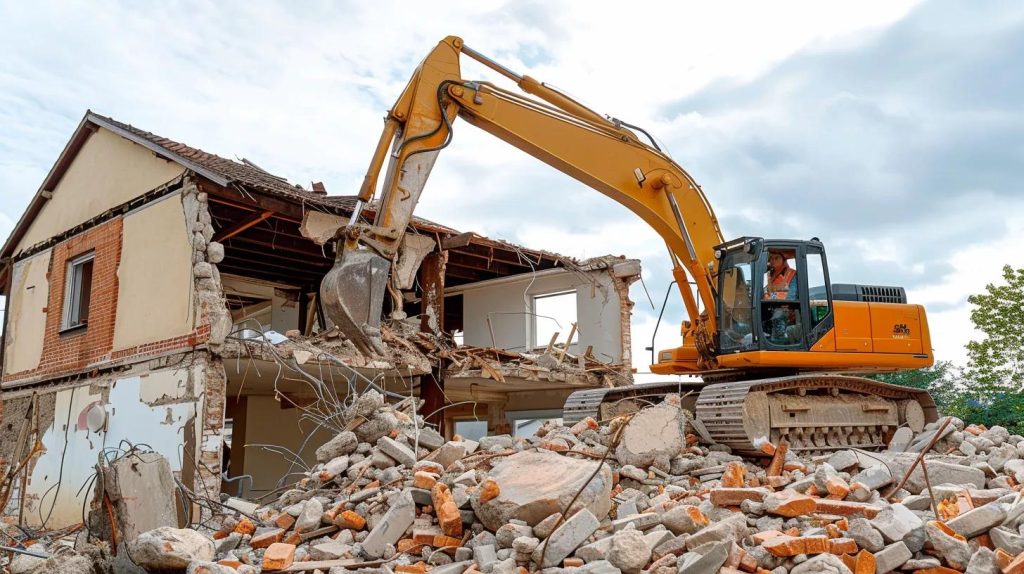
How Residential Demolition Transforms Your Property
Residential demolition is a highly regulated and complex process for dismantling structures to enable new development. The work clears the site and establishes the necessary conditions required for contemporary construction, potentially improving property value, functional utility, and community aesthetics. This article outlines core elements of residential demolition: the procedural steps, mandated safety controls, project benefits, permit requirements, and contractor selection—with specific context for homeowners in Cutler Bay. Many property owners have concerns about property impacts, environmental outcomes, and regulatory compliance; a clear understanding of the demolition sequence and controls reduces uncertainty and clarifies the advantages of a properly executed project.
Demolition Process
The demolition workflow comprises discrete, methodical phases designed to mitigate risk, ensure compliance, and optimize efficiency. A comprehensive site assessment identifies structural conditions, hazardous materials, and environmental sensitivities. Permit coordination and utility disconnections follow to ensure legal and operational compliance. Demolition is then executed using controlled methods such as mechanical dismantling, deconstruction, or implosion to manage debris and protect surrounding areas. The process concludes with debris removal, segregation for recycling where feasible, and site preparation for subsequent construction, including grading and soil stabilization.
Safety Measures
Safety is the primary priority throughout demolition due to inherent hazards such as structural instability, airborne contaminants, and heavy machinery operation. Hazardous materials such as asbestos, lead-based paint, and mold require identification and abatement by certified specialists following EPA and OSHA guidelines. Controlled demolition techniques and exclusion zones reduce collapse and exposure risks. On-site protocols mandate appropriate personal protective equipment (PPE), documented communication procedures, emergency response plans, and strict adherence to established safety plans. Regular safety audits and worker training sessions are essential to maintain compliance and prevent accidents.
Benefits of Residential Demolition
Residential demolition provides measurable benefits that improve site utility, environmental stewardship, and marketability. Key advantages include site readiness for new construction, opportunities for material recovery and recycling, and potential increases in property value when the site is properly prepared and compliant with local regulations.
- Site Preparation for New Construction : Demolition clears the way for new buildings, allowing homeowners to design and construct modern, energy-efficient spaces that meet current building codes and personal needs.
- Environmental Responsibility : Proper demolition practices include recycling materials such as concrete, wood, and metals, which reduces landfill waste and promotes sustainability.
- Increased Property Value : A cleared and prepared site can attract potential buyers or investors, increasing the overall value of the property and enhancing neighborhood appeal.
- Efficient Project Management : Professional demolition services streamline the process, ensuring that projects are completed on time, within budget, and in compliance with all regulatory requirements.
- Community Safety and Aesthetics : Removing dilapidated or unsafe structures improves neighborhood safety and visual appeal, contributing to community revitalization.
For homeowners in Cutler Bay, engaging experienced residential demolition contractors helps realise these benefits by ensuring regulatory compliance, environmental stewardship, and a controlled transition from existing structures to new development.
What Is the Residential Demolition Process in Cutler Bay?
In Cutler Bay, the demolition process follows a structured approach aligned with local codes, environmental regulations, and community standards. The sequence begins with a detailed property assessment to define project scope, identify hazardous materials, and evaluate structural integrity. This is followed by permit acquisition and utility disconnection coordination with local providers. Precision demolition is then conducted using methods tailored to site conditions and environmental considerations. The process concludes with a final inspection to confirm debris removal, site grading, and readiness for construction, ensuring compliance with municipal and state requirements.
Required Permits
Prior to commencement, homeowners in Cutler Bay must obtain specific permits to meet municipal and state requirements. The principal permit categories are identified below and must be supported by required documentation, technical assessments, and environmental clearances where applicable.
- Demolition Permit : This is essential for any residential demolition project and ensures that the work is authorized by local authorities, including adherence to zoning and safety regulations.
- Environmental Permits and Clearances : Required if hazardous materials such as asbestos or lead are present, or if the site is near protected natural resources.
- Documentation Needed : Homeowners must provide detailed demolition plans, environmental assessments, and waste management strategies to support their permit applications.
- Application Process : The process typically involves submitting forms to the local building department, undergoing plan reviews, and may require inspections before approval.
Timelines
Project durations vary with structure size, site conditions, environmental remediation needs, and project complexity. Typical residential demolition schedules in Cutler Bay range from several days for small structures to multiple weeks for larger or more complex projects. Hazardous material abatement, site access, weather conditions, and contractor availability are common drivers of timeline variance. Early planning and coordination with local authorities can help streamline the process.
Safety Measures
Consistent adherence to established safety protocols is mandatory. Compliance with OSHA standards and EPA regulations provides a baseline for worker and public protection. Regular safety audits, documented training, enforcement of site-specific safety plans, and emergency preparedness further reduce operational risk. Contractors must maintain clear communication channels and ensure all personnel are trained in hazard recognition and response.
How Debris Removal and Waste Management Ensure a Clean Site
Effective debris removal and waste management are integral to demolition projects. Best practices include material segregation for recycling, compliant transport and disposal of regulated wastes, and documented final inspections to verify site cleanliness and safety for follow-on construction. Utilizing licensed waste haulers and recycling facilities supports environmental compliance and community health.
Which Permits and Legal Requirements Govern Residential Demolition in Cutler Bay?
Cutler Bay demolition projects are governed by multiple legal requirements intended to ensure public safety, environmental protection, and community welfare. Homeowners should identify applicable demolition and environmental permits and prepare supporting documentation to demonstrate regulatory compliance and to protect all parties involved. Coordination with local building departments, environmental agencies, and utility providers is essential.
What Demolition Permits and Environmental Clearances Are Required?
The principal permits and clearances for residential demolition in Cutler Bay include demolition permits and, where hazardous materials or sensitive resources are present, environmental clearances that specify handling and disposal procedures. These may include asbestos abatement permits, lead paint removal certifications, and stormwater pollution prevention plans.
- Demolition Permit : Required for all demolition activities and ensures compliance with local building codes and zoning laws.
- Environmental Clearances : Necessary if hazardous materials are present, ensuring that proper handling, abatement, and disposal methods are followed in accordance with EPA and state regulations.
How Compliance with Local Regulations Protects Homeowners and Contractors
Regulatory compliance protects homeowners and contractors by reducing legal and financial exposure, minimising environmental harm, and maintaining positive community relations. Adherence to safety and environmental standards mitigates risk, supports project integrity, and helps avoid costly fines or project delays. Licensed contractors with proven compliance histories are essential partners in this process.
How Do Environmental and Safety Standards Impact Residential Demolition?
Environmental and safety standards shape permissible demolition methods, require appropriate management of hazardous materials, and mandate controls to protect ecosystems, public health, and worker safety. Compliance is both a legal obligation and an accepted professional responsibility for contractors and property owners. These standards also promote sustainable practices such as material recycling and waste reduction.
A study by the Department of the Navy underscores the role of environmental assessments in demolition projects, particularly with respect to impacts on historic resources and community heritage preservation.
Residential Demolition: Environmental & Historic Impact Assessment
The Department of the Navy has prepared this Environmental Assessment (EA) to evaluate potential environmental effects associated with the proposed removal of 198 units of enlisted family housing at the Seaplane Base, Naval Air Station, Whidbey Island NASWI. One hundred ninety-five of the existing housing units are proposed for demolition, and three housing units would be preserved to mitigate adverse effects to historic resources and be re-used for non-residential purposes.
Environmental Assessment. Victory Homes Demolition and Replacement, 2001
What Are the Key Safety Protocols and OSHA Compliance Measures?
Key safety protocols during demolition include documented site assessments, verified utility disconnections, and mandatory use of appropriate PPE. These controls establish the operational baseline required for OSHA compliance and worker protection.
- Initial Site Assessment : Identifying potential hazards such as structural weaknesses, hazardous materials, and environmental risks before work begins.
- Utility Disconnections : Ensuring that all utilities including gas, electricity, water, and sewer are safely disconnected to prevent accidents and service interruptions.
- Use of PPE : Mandating the use of personal protective equipment such as helmets, respirators, gloves, and high-visibility clothing for all workers on-site.
- Emergency Preparedness : Establishing clear emergency response plans and communication protocols to address potential incidents promptly.
These protocols are essential for maintaining a safe working environment, protecting public health, and ensuring compliance with OSHA regulations and local safety ordinances.
How Sustainable Demolition Practices Reduce Environmental Impact
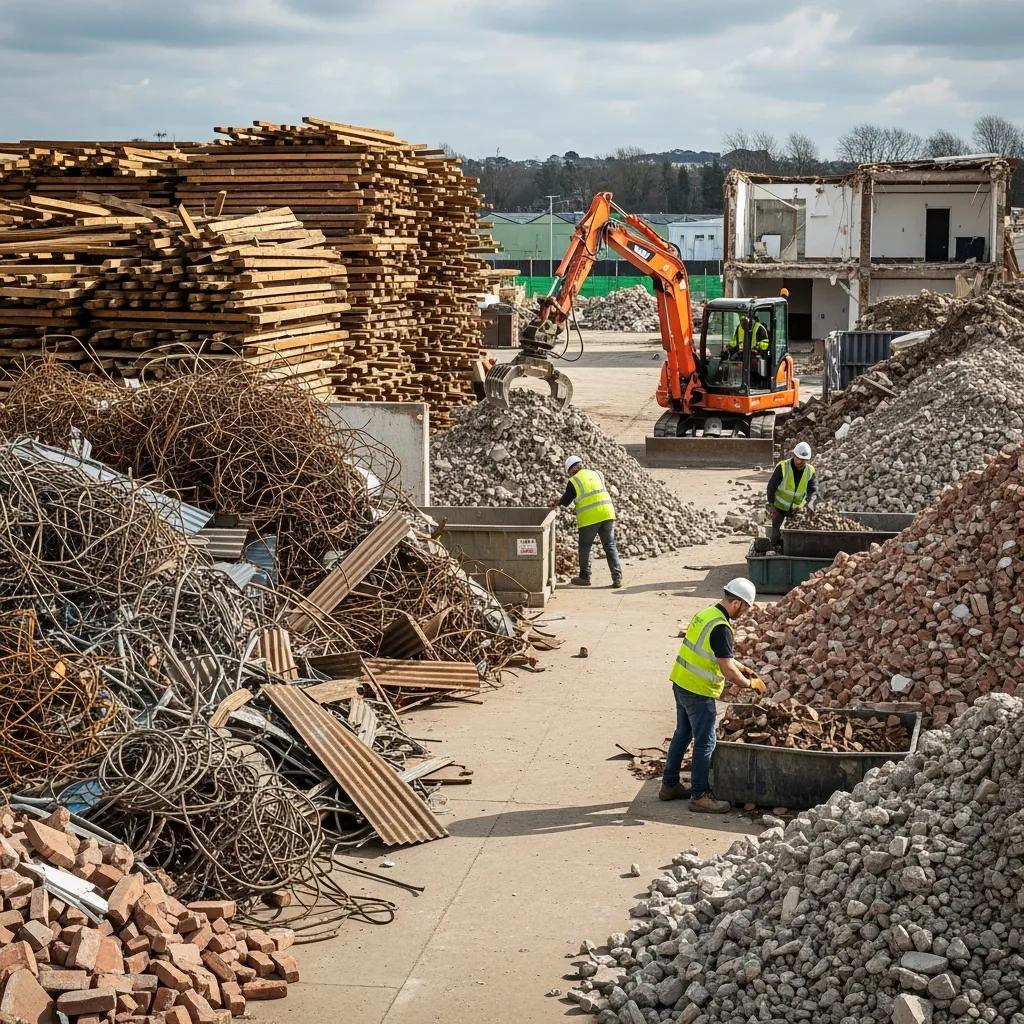
Sustainable demolition prioritises waste minimisation, material recovery, and environmental stewardship. Diverting salvageable materials such as metals, concrete, and wood from landfill and using local recycling facilities reduce the environmental footprint and support sustainable construction objectives. Incorporating deconstruction techniques allows for the reuse of building components, further reducing waste and conserving resources.
Research advocates for comprehensive construction and demolition waste management frameworks to protect public health, conserve natural ecosystems, and promote circular economy principles.
Sustainable Demolition Waste Management & Public Health
Owing to increasing C&D waste volumes, shortage of landfills and long-term adverse environmental, economic and social impacts of the disposed C&D waste, sustainable C&D waste management is becoming increasingly essential to protect public health and natural ecosystems. This paper proposes a conceptual C&D waste management framework to maximise the 3R (reduce, reuse and recycle) and minimise the disposal of construction waste by implementing sustainable and comprehensive strategy throughout the lifecycle of construction projects.
An overview of construction and demolition waste management in Canada: a lifecycle analysis approach to sustainability, K Hewage, 2013
What Factors Influence Residential Demolition Cost Estimates in Cutler Bay?
Cost estimates for residential demolition in Cutler Bay are influenced by multiple factors including structure size, demolition method, site conditions, environmental remediation needs, and permit and disposal fees. These variables determine labour, equipment, compliance, and waste management costs.
- Structure Size : Larger buildings typically incur higher demolition costs due to the increased labor, equipment, and disposal requirements.
- Demolition Type : The method of demolition (e.g., manual deconstruction, mechanical demolition, or implosion) can significantly affect pricing and project duration.
- Permit and Environmental Fees : Costs associated with obtaining necessary permits, environmental clearances, and hazardous material abatement can vary based on local regulations and site conditions.
- Site Accessibility and Complexity : Difficult site access, proximity to other structures, and environmental sensitivities can increase costs due to additional safety and logistical measures.
Further emphasising the complexity of budgeting, research has addressed quantitative methods for estimating demolition project costs, providing frameworks for more accurate and systematic cost analysis.
Residential Building Demolition Cost Estimation
This research aims to develop a quantitative approach to estimate the costs of a demolition project. A cost analysis method is presented to systematically breakdown the cost components involved in the demolition of a structure. Due to the lack of robust research in theory and systematic summary in practice to date, the economic performances of demolition will be studied through a case study, and the majority of parameters are derived from actual experiences in practice.
Estimating demolition costs for single residential buildings, C Liu, 2003
How Do Property Size, Materials, and Project Scope Affect Pricing?
Property characteristics directly affect pricing: larger footprints require more resources, certain construction materials increase abatement or disposal complexity (e.g., asbestos-containing materials, treated wood), and broader project scopes extend labour and equipment commitments. Homeowners should factor these elements into budget planning and seek detailed estimates that account for all variables.
What Are Typical Cost Ranges and Budgeting Tips for Homeowners?
Cost ranges for residential demolition vary widely based on the factors above. Practical budgeting measures include obtaining multiple estimates from licensed contractors, allocating contingency funds for unforeseen conditions such as hidden hazardous materials, and accounting for permit and disposal fees.
- Get Multiple Quotes : Comparing estimates from different contractors can help identify the best value and uncover potential cost-saving opportunities.
- Plan for Contingencies : Setting aside additional funds for unexpected issues such as hazardous material discovery or site complications can prevent budget overruns.
- Understand Permit and Disposal Costs : Being aware of the costs associated with obtaining necessary permits and waste disposal can aid in accurate budgeting and avoid surprises.
How Does Post-Demolition Property Preparation Enhance Your Site’s Value?
Post-demolition preparation increases site value by ensuring the area is cleared, graded, and compliant with regulatory requirements, thereby facilitating efficient redevelopment and reducing future construction risks. Proper site preparation can also improve drainage, soil stability, and accessibility, which are critical for new construction projects.
What Steps Follow Demolition to Ready the Property for New Construction?
Post-demolition steps commonly include thorough debris removal, land grading to establish suitable subgrade conditions, soil compaction, erosion control measures, and final inspections to confirm regulatory compliance and readiness for construction.
- Debris Removal : Ensuring that all materials, including hazardous waste, are cleared from the site in accordance with environmental regulations.
- Land Grading : Leveling and contouring the land to create a suitable foundation for new structures and proper drainage.
- Soil Testing and Stabilization : Conducting soil tests to assess compaction and stability, and applying necessary treatments to support construction.
- Final Inspections : Conducting inspections to confirm that the site meets all regulatory requirements and is ready for building permits and construction.
How Professional Debris Removal and Grading Improve Site Usability
Professional debris removal and grading services improve site usability by delivering a clean, level site that reduces construction risk, prevents water pooling, and expedites subsequent building activities. These services also help avoid delays caused by site preparation issues and ensure compliance with local building codes and environmental standards.
How to Choose Licensed and Insured Residential Demolition Contractors in Cutler Bay?
Selecting an appropriate demolition contractor is essential for project success. Evaluate licensing, insurance coverage, relevant project experience, and reputation to ensure the contractor can meet regulatory and technical requirements while delivering quality work.
- Licensing : Ensure that the contractor holds the necessary licenses to operate legally in Cutler Bay and complies with state and local regulations.
- Insurance : Verify that the contractor has adequate insurance coverage, including general liability and workers’ compensation, to protect against potential liabilities.
- Experience : Look for contractors with a proven track record in residential demolition projects, especially those familiar with local codes and environmental requirements.
- References and Reviews : Check client testimonials, references, and online reviews to assess reliability and quality of work.
What Qualifications and Certifications Should Homeowners Verify?
Homeowners should verify state contractor licences, proof of insurance, and any specialised certifications for hazardous material abatement or environmental compliance. Certifications from recognized bodies such as the EPA for asbestos removal or lead-safe certification are critical for safe and legal demolition.
- State Contractor License : Ensures that the contractor is legally authorized to perform demolition work and meets professional standards.
- Insurance Certificates : Protects homeowners from potential liabilities during the demolition process.
- Hazardous Material Certifications : Confirms that the contractor is qualified to handle and dispose of hazardous materials safely and legally.
How to Evaluate Contractor Experience, Equipment, and Safety Records
Assess contractor qualifications by reviewing years of experience, inspecting equipment condition, and verifying safety records and incident history. Request references and documentation of safety programmes, including OSHA compliance and training records.
- Years of Experience : A contractor with extensive experience is likely to handle challenges more effectively and deliver quality results.
- Equipment Quality : Modern and well-maintained equipment can improve efficiency, safety, and environmental performance.
- Safety Records : A contractor with a strong safety record demonstrates a commitment to maintaining a safe work environment and regulatory compliance.
Frequently Asked Questions
What Should Homeowners Consider Before Deciding to Demolish Their Property?
Homeowners should evaluate structural condition, potential environmental impacts, zoning restrictions, and the financial implications of demolition versus renovation. Professional consultation with structural engineers, environmental specialists, and contractors can clarify feasibility and align decisions with long-term objectives and community plans.
How Can Homeowners Ensure Environmental Compliance During Demolition?
Ensure compliance by engaging licensed contractors familiar with local regulations, commissioning environmental assessments to identify regulated materials, and implementing material recovery and disposal plans that meet statutory requirements. Maintaining clear documentation and communication with regulatory agencies is also essential.
What Are the Potential Risks Associated with Residential Demolition?
Risks include structural collapse, exposure to hazardous materials, onsite accidents, environmental contamination, and legal non-compliance. Mitigation requires comprehensive site assessments, verified utility disconnects, adherence to safety protocols, and engagement of contractors who operate under OSHA and environmental standards.
How Can Homeowners Prepare for the Demolition Process?
Prepare by obtaining required permits, arranging utility disconnections, notifying adjacent property owners, and salvaging any reusable or valuable materials prior to demolition. These actions support regulatory compliance, project efficiency, and community relations.
What Are the Common Misconceptions About Residential Demolition?
Common misconceptions include underestimating planning requirements, assuming all demolition generates excessive waste, and overlooking the importance of environmental and safety compliance. In practice, demolition requires detailed permitting, safety planning, and can incorporate recycling and salvage to reduce waste and environmental impact.
What Role Do Local Regulations Play in Residential Demolition Projects?
Local regulations establish safety, environmental, and permitting requirements. Compliance ensures legal execution, protects public welfare, and reduces the risk of enforcement actions. Engaging licensed contractors who understand applicable local codes and maintaining open communication with authorities are critical for successful projects.
How Can Homeowners Assess the Quality of Demolition Contractors?
Assess contractors by verifying licences and insurance, reviewing project portfolios and client testimonials, requesting references, and examining safety performance records to confirm professionalism and regulatory adherence. Visiting active job sites and consulting with previous clients can provide additional insights.
What Are the Benefits of Demolition?
Demolition offers several benefits including clearing space for new construction, improving property value, enabling modern design opportunities, and promoting environmental responsibility through material recycling and waste reduction. It also facilitates efficient project management by allowing professionals to handle complex tasks safely and on schedule, ultimately contributing to community revitalization.
How Much Does It Cost to Demo a 2000 Sq Ft House?
The cost to demolish a 2000 square foot house varies depending on factors such as location, demolition method, site conditions, hazardous material presence, and disposal fees. On average, homeowners can expect costs to range from $8,000 to $20,000. Obtaining multiple quotes, considering permit and waste management fees, and planning for contingencies is recommended for accurate budgeting.
Is It Worth It to Tear Down a House?
Tearing down a house can be worth it when the existing structure is outdated, unsafe, or does not meet the homeowner’s needs. Demolition allows for new construction tailored to modern standards and preferences, potentially increasing property value and energy efficiency. However, homeowners should weigh demolition costs against renovation expenses and long-term goals before deciding, considering factors such as neighborhood trends and financing options.
Conclusion
Residential demolition prepares sites for redevelopment while enhancing property usability, safety, and value when conducted to regulatory and safety standards. Understanding permits, safety measures, environmental responsibilities, and contractor qualifications enables informed decisions. Engage experienced, licensed contractors to ensure a compliant and controlled demolition process; consult with our expert demolition team to begin planning your project with confidence and professionalism.