Residential Demolition Process | Plan Your Project Smart
Understanding Residential Demolition Services for Cutler Bay Homeowners: A Comprehensive Guide to the House Demolition Process and Safety Regulations
Residential demolition poses complex challenges for homeowners, requiring detailed planning, strict regulatory compliance, and rigorous safety controls. A well-executed demolition project is critical for site clearance, renovation, or new construction. This comprehensive guide explains each stage of the house demolition process, applicable legal requirements, and safety protocols specific to Cutler Bay, FL. By clarifying local ordinances and expectations, homeowners can make informed decisions, minimize project delays, and ensure compliance with city, state, and federal regulations. The article also highlights the benefits of engaging licensed professionals specialized in Cutler Bay’s demolition landscape.
Comprehensive Guide for Cutler Bay Homeowners on the Residential Demolition Process
Residential demolition in Cutler Bay typically initiates major renovation or new construction projects. It involves several critical stages: structural and environmental assessments, permit acquisition, contractor selection, execution under safety protocols, and post-demolition site management including debris disposal and land restoration. Given Cutler Bay’s unique environmental considerations, such as coastal proximity and potential historical zoning, procedures may vary significantly by neighborhood and property type. Collaborating with contractors experienced in local regulations ensures efficient scheduling, legal compliance, and risk mitigation throughout the demolition lifecycle.
Understanding Residential Demolition in Cutler Bay
Residential demolition encompasses the dismantling and removal of a structure, either partially or entirely. Cutler Bay regulations govern demolition activities through a combination of municipal codes, environmental protections, and OSHA-mandated safety standards. Environmental considerations include managing asbestos, lead-based paint hazards, and wetlands protection where applicable. Zoning ordinances may restrict demolition within certain historic districts or conservation areas to preserve neighborhood character. Knowledge of these legal and environmental factors prevents legal infractions, penalties, and costly project interruptions. Experienced contractors bring practical expertise to navigate the layered regulatory framework effectively.
Types of Residential Demolition Projects
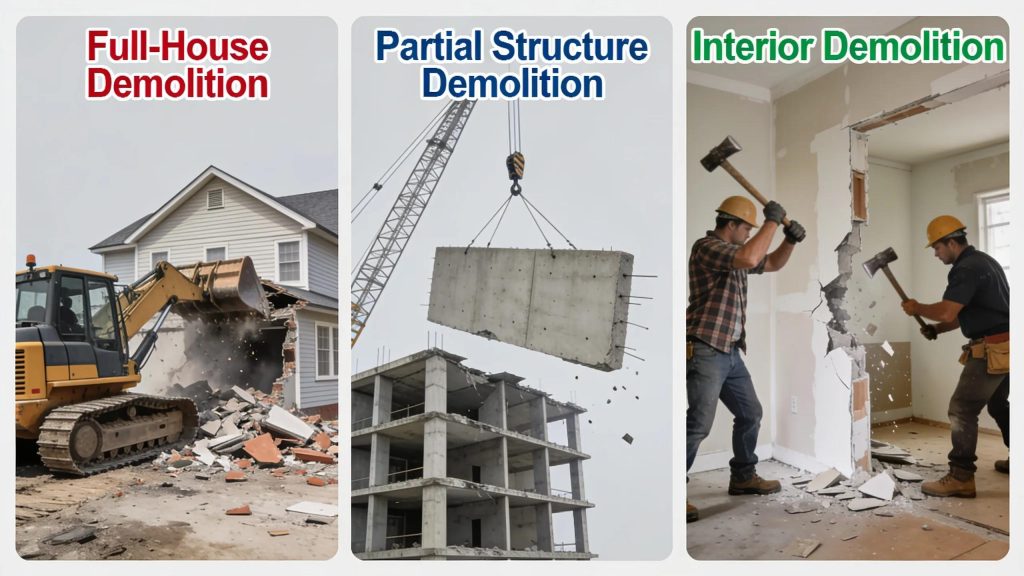
Residential demolition projects vary according to homeowner objectives and site requirements. Familiarity with these project types allows for precise scope definition and budgeting:
- Full-House Demolition: Complete removal of the residential structure to prepare for new development, often necessitating extensive safety and environmental controls.
- Partial Demolition: Selective dismantling of designated sections, such as additions, garages, or outdated structural elements, while preserving primary building components.
- Interior Demolition: Removal of internal partitions, fixtures, and finishes without impacting the external shell, commonly used for remodeling purposes.
- Pool Demolition: Elimination of in-ground or above-ground pools, including appropriate fill and compaction for site restoration.
- Concrete Slab Removal: Breaking and hauling away concrete foundations or driveways, typically part of site clearing or landscaping projects.
Understanding these distinct project types ensures homeowners select the most appropriate service providers and plan for required permits and timelines in Cutler Bay.
Legal Permits Required
Obtaining legal permits is mandatory before commencing any demolition work in Cutler Bay to ensure compliance and avoid costly fines. The main permits and documentation include:
| Permit | Description |
|---|---|
| Demolition Permit | Required for any demolition activity; ensures the project complies with Cutler Bay building and zoning codes. |
| Utility Disconnection Letters | Proof that electrical, water, gas, and other utilities have been safely disconnected by authorized providers prior to demolition. |
| Asbestos Inspection Report | Mandatory inspection for the presence of asbestos-containing materials; required prior to demolition to coordinate safe removal following EPA regulations. |
| Environmental Impact Assessment | Required for projects potentially impacting wetlands or protected areas; evaluates effects and outlines mitigation strategies. |
Securing these permits before work begins protects homeowners in Cutler Bay from legal liabilities and helps maintain project timelines.
Safety Regulations
A comprehensive safety framework safeguards workers, residents, and the public during demolition operations. Cutler Bay demolition projects must align with the Occupational Safety and Health Administration (OSHA) standards and local regulations. Essential safety requirements include:
- Personal Protective Equipment (PPE): Mandatory for all workers, including hard hats, eye protection, gloves, respiratory masks, and high-visibility clothing appropriate to the demolition hazards.
- Dust Control Measures: Use of water sprays, dust barriers, and containment systems to minimize airborne particulate matter, preserving air quality and reducing respiratory risks.
- Hazardous Material Disposal: Strict protocols for identification, containment, and removal of asbestos, lead-based paint, and other hazardous substances, following EPA and state guidelines to prevent environmental contamination.
- Emergency Preparedness: On-site plans for medical emergencies, firefighting, and evacuation procedures in case of accidents.
- Noise Control: Implementation of noise-reducing techniques and adherence to local noise ordinances to minimize disturbance.
By integrating these safety measures, demolition contractors in Cutler Bay limit accidents and environmental impacts, ensuring a responsible demolition process. Homeowners are encouraged to verify contractors’ safety certifications and compliance records.
Frequently Asked Questions
1. What factors should I consider before choosing a demolition contractor in Cutler Bay?
When selecting a demolition contractor, prioritize experience specific to Cutler Bay’s regulatory environment. Verify valid licensing and insurance coverage. Investigate the contractor’s track record with local permits, code compliance, and environmental management. Seek multiple detailed quotes, scrutinizing scope, timeline, and cost. Review customer feedback, safety records, and professional affiliations such as membership in the National Demolition Association. A reliable contractor should provide transparent communication and a comprehensive project plan.
2. How long does a typical residential demolition project take in Cutler Bay?
Demolition duration is contingent upon project type, property size, structural complexity, and environmental hazards requiring remediation. Small interior demolitions may conclude within a few days, whereas full-house demolitions can extend from one to several weeks, including time for permit approval and hazardous material abatement. Unexpected site conditions may prolong timelines. Maintaining regular communication with your contractor and planning for contingencies is vital for schedule adherence.
3. Are there environmental concerns with residential demolition in Cutler Bay?
Yes, environmental considerations are significant due to Cutler Bay’s sensitive ecosystems and urban density. Identification and removal of hazardous materials such as asbestos and lead-based paint are mandatory. Dust and debris generated during demolition must be controlled to prevent air and water pollution. Wetlands and protected zones require special permits and mitigation strategies to minimize habitat disturbance. Engaging knowledgeable contractors helps ensure adherence to environmental laws and sustainable project outcomes.
4. What should I do to prepare my property for demolition?
Homeowners in Cutler Bay should take several preparatory steps prior to demolition: remove personal belongings and valuables; notify neighbors and local authorities as required; ensure unrestricted access for demolition equipment; verify all necessary permits are secured; conduct a hazardous materials inspection and arrange removals; coordinate utility disconnections with providers; and perform a pre-demolition walkthrough with the contractor to address site-specific concerns and safety measures.
5. Can I live in my house during a partial demolition project?
Living in the residence during partial demolition depends on the scope and affected areas. If demolition is limited to non-essential zones and proper containment is established, occupancy may be feasible. However, dust, noise, and safety risks must be carefully managed. Discuss with your contractor the feasibility and protective measures such as temporary barriers, air filtration, and restricted work hours. Prioritize occupant health and safety when making this decision.
6. What are the costs associated with residential demolition in Cutler Bay?
Demolition costs fluctuate based on structure size, complexity, project scope, and remediation needs. Typical residential demolition ranges from $5,000 to $25,000 but can vary significantly. Additional expenses may include permit fees, utility disconnection costs, hazardous material abatement, debris hauling, and site restoration. Obtaining multiple detailed bids and understanding included services helps establish an accurate budget and avoid unforeseen charges.
7. What happens to the debris after a demolition project?
Demolition debris must be managed responsibly under Cutler Bay and Miami-Dade County regulations. Contractors sort materials onsite, recovering recyclables such as metal, wood, and concrete. Non-recyclable and hazardous waste is transported to authorized disposal or treatment facilities. Recycling reduces landfill burden and promotes environmental sustainability. Homeowners should request a debris management and recycling plan from their contractor to ensure comprehensive and lawful disposal practices.
Demolition Process Steps
The demolition process generally follows these steps:
- Initial assessment and inspection to identify structural and environmental considerations.
- Securing necessary permits and approvals from local authorities.
- Disconnecting utilities such as water, gas, and electricity safely.
- Hazardous material removal, including asbestos and lead-based substances.
- Physical demolition using appropriate equipment and techniques.
- Debris sorting, recycling, and disposal according to regulations.
- Site cleanup and land restoration to prepare for future use.
Legal Considerations for Homeowners Demolishing Their Own Houses
While homeowners in Cutler Bay may have the right to demolish their own property, strict compliance with permits, safety standards, and environmental regulations is required. Often, specialized knowledge and equipment are necessary to ensure safe demolition and legal compliance. DIY demolition without proper permits and professional oversight may result in fines, legal consequences, and safety hazards. It is generally advisable to hire licensed demolition contractors experienced in local requirements to mitigate risks effectively.
Typical Duration of House Demolition
The time required to demolish a house varies widely based on size, structure complexity, environmental hazards, and local permitting processes in Cutler Bay. Small or interior-only demolitions may take a few days, whereas full-house demolitions including hazardous material removal and debris disposal can take several weeks. Permit approvals and preparatory work may also affect the overall duration. Clear communication with contractors and realistic scheduling help manage homeowner expectations.
Conclusion
A thorough understanding of Cutler Bay’s residential demolition process empowers homeowners to navigate permits, safety protocols, and environmental regulations with confidence. Identifying project types and engaging qualified, compliant contractors promotes smooth execution, minimizes risks, and prevents avoidable delays. Proactive measures such as pre-demolition inspections and securing necessary permits safeguard against complications and costly infractions. For expert guidance, detailed information, and professional demolition services in Cutler Bay, contact our experienced team dedicated to safe, efficient, and regulation-compliant projects.