Safe and Effective Demolition Standards for Every Site
What Makes Demolition Safe and Effective: Comprehensive Safety Protocols and Best Practices
Demolition is a core phase of construction and renovation that requires strict adherence to safety protocols to prevent accidents and injuries. This article examines the elements that make demolition both safe and effective: common hazards, planning and permitting requirements, personal protective equipment, accepted techniques and equipment usage, and hazardous‑materials management to maintain regulatory compliance. Applying these measures enables construction firms, contractors, and property owners to reduce liability and maintain a safer worksite. This comprehensive overview is tailored to address considerations relevant for projects in Boynton Beach, FL, ensuring local application of national standards along with specific regional requirements.
Recognising common demolition hazards and the preventive controls available is the foundation of site safety. We also outline how comprehensive planning and permitting support regulatory compliance, detail required protective equipment and training, and address local safety considerations relevant to projects in Boynton Beach, FL.
Common Hazards in Demolition Work and Their Mitigation
Demolition operations present multiple hazards that threaten workers and the public. Systematic hazard identification and implementation of mitigation strategies materially reduce the likelihood of incidents. Frequent risks include falling debris, equipment incidents, and exposure to hazardous substances; each requires targeted controls to manage residual risk.
Greatest Risks to Workers and Property
Risks in demolition can present as acute physical hazards or latent environmental exposures. Falling debris can cause serious injury and property damage, particularly at height or around unstable structures. Industry data indicate a substantial portion of demolition injuries relate to falls and collapse events. Legacy electrical systems introduce electrocution and fire risks, while heavy machinery failures demand rigorous maintenance, operator qualification, and lockout/tagout protocols. It is vital to also consider environmental impacts such as noise and dust pollution, which have increasing local regulatory oversight in Boynton Beach, FL.
Preventive Safety Measures for Hazard Reduction
To mitigate the hazards inherent in demolition work, several preventive safety measures can be implemented:
- Site Inspections: Regular and thorough inspections help identify potential risks before work begins.
- Use of Personal Protective Equipment (PPE): Ensuring that all personnel are equipped with appropriate PPE such as hard hats, gloves, and safety goggles is essential for minimizing injury risk.
- Training and Communication: Effective communication among team members and ongoing training programs can enhance awareness of hazards and safety procedures.
Consistent application of these controls reduces incident frequency and supports a documented approach to health and safety management, essential for meeting both OSHA and Florida Department of Business and Professional Regulation standards.
Planning and Permitting for Safe and Compliant Demolition
Detailed planning and timely permit acquisition are essential to safe, compliant demolition. A project plan defines scope, sequences work to limit risk, identifies controls for hazardous conditions, and ensures adherence to local and federal requirements to protect workers and the public. For Boynton Beach, FL projects, compliance with the City’s Building Department and environmental regulations is mandatory.
Essential Components of a Demolition Planning Checklist
A robust demolition planning checklist should include the following components:
- Permits: Obtaining all necessary local, state, and federal permits before commencing work.
- Site Assessment: Conducting thorough assessments of the site to identify any hazards or environmental concerns.
- Communication Strategies: Establishing clear lines of communication with all stakeholders involved in the demolition process.
Completing these steps establishes a structured, auditable approach that promotes safety and regulatory compliance throughout the project lifecycle. Incorporating local Boynton Beach zoning and environmental ordinances is essential for timely approvals.
Required Regulatory Permits and Notifications
Prior to demolition work beginning, several regulatory requirements and permits must be considered, including:
- Zoning Permits: Confirming that the demolition adheres to local zoning laws, including those specific to Boynton Beach.
- Environmental Permits: Addressing any environmental impacts, especially if the demolition involves hazardous materials or affects nearby waterways and habitats.
- Notification Requirements: Complying with local regulations regarding notifying nearby residents and businesses in Boynton Beach to ensure public safety and minimize disruptions.
Failure to secure required permits and meet notification obligations can result in enforcement actions, project delays, and increased costs; thorough permitting is therefore essential.
Protective Equipment and Training for Worker Safety During Demolition
Protecting workers during demolition requires the correct PPE and formal training programmes. Appropriate equipment combined with competency‑based training reduces exposure to common site hazards and supports regulatory compliance in environments such as those in Boynton Beach, FL.
Required Protective Gear for Demolition Professionals
Demolition professionals are required to wear several types of protective gear, including:
- Hard Hats: To protect against falling objects.
- Respirators: Necessary when working in environments with dust or chemical exposure.
- Safety Boots: Equipped with steel toes to prevent foot injuries from heavy equipment.
These items are core to a personal protective equipment programme and should be specified in site safety plans and procurement records. In the humid climate of Boynton Beach, lightweight and breathable PPE that does not compromise safety is preferred to maintain worker comfort and compliance.
Safety Training and Emergency Preparedness
Safety training provides teams with the knowledge and practiced responses required during emergencies. Training modules commonly include:
- Emergency Response Drills: Practicing evacuation procedures in case of an accident.
- Incident Reporting Procedures: Teaching workers how to report safety incidents promptly.
- Regular Refresher Courses: Ensuring that all employees stay updated on safety practices and protocols.
Regular, documented training and drills improve response times, reduce injury severity, and support continuous improvement in safety performance. Compliance with OSHA regulations and Florida state safety mandates is prioritized in training curricula.
Best Practices for Safe Demolition Techniques and Equipment Use
Applying industry best practices for demolition techniques and equipment operation improves both safety and efficiency. Compliance with recognised standards and manufacturer guidelines should guide all equipment selection and task execution.
Demolition Equipment Meeting Safety and Efficiency Standards
The use of appropriate demolition equipment is vital for ensuring that operations are both safe and efficient. Some essential equipment includes:
- Excavators: Versatile machines primarily used for tearing down structures.
- Bulldozers: Useful for both demolition and debris removal.
- Crushers: Efficient for breaking down large sections of materials for recycling.
Selecting equipment that conforms to safety certifications and is maintained under a formal programme reduces mechanical failures and enhances productivity.
Safe Techniques Minimizing Structural and Environmental Risks
Employing safe demolition techniques mitigates structural instability and limits environmental impact:
- Controlled Demolition: Techniques such as implosion or deconstruction can safely manage the demolition process while preserving nearby structures.
- Dust Control Measures: Using water spraying or dust suppressants helps minimize airborne particles, safeguarding workers and the environment.
- Preventing Waste: Recycling materials during demolition reduces environmental harm and promotes sustainability.
These practices align safety objectives with environmental stewardship and support regulatory and community expectations, particularly in environmentally conscious communities like Boynton Beach, FL.
Hazardous Materials Management for Safety and Compliance
Hazardous materials within structures present significant health and regulatory risks during demolition. Effective identification, control, and removal procedures are required to protect workers and the public and to meet legal obligations.
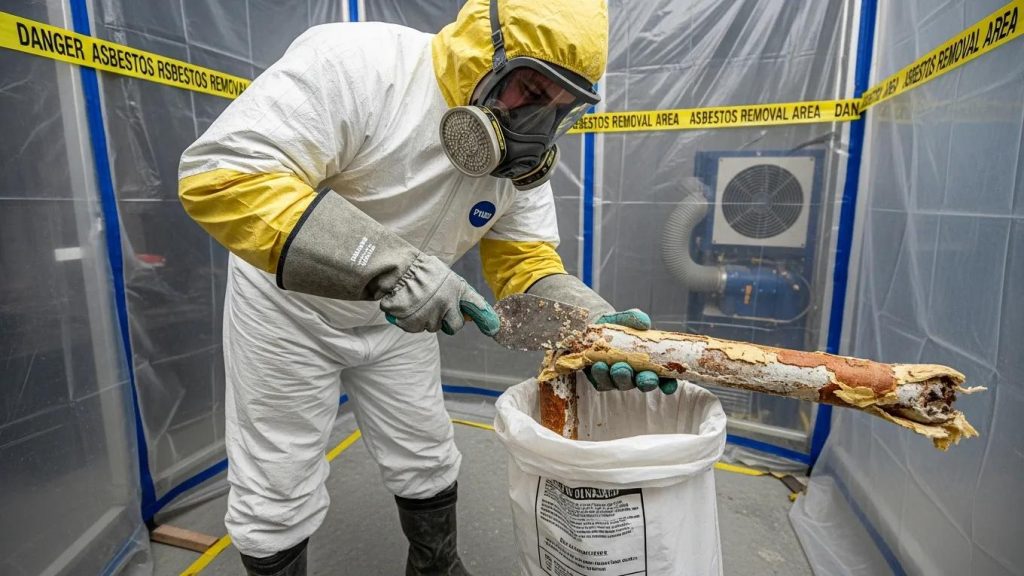
Procedures for Safe Handling of Asbestos and Lead
Handling hazardous materials such as asbestos and lead during demolition requires strict adherence to safety protocols. Recommended procedures include:
- Personal Protective Equipment (PPE): Ensuring that workers are adequately protected when dealing with hazardous substances.
- Containment Practices: Sealing off areas where hazardous materials are present to prevent contamination.
- Professional Assessment: Engaging licensed professionals for the safe removal of asbestos and lead.
Following these procedures supports compliance with health regulations and reduces exposure risks for workers and nearby populations. In Boynton Beach, FL, specific state regulations and local health authority guidelines must be observed.
Legal Requirements Governing Hazardous Waste Disposal in Demolition
Legal requirements for hazardous waste disposal in demolition projects vary by location, but they generally include:
- Compliance Standards: Adhering to Occupational Safety and Health Administration (OSHA) and Environmental Protection Agency (EPA) guidelines.
- Documentation Requirements: Keeping accurate records of hazardous materials and their disposal.
- Proper Disposal Methods: Utilizing licensed waste management services for the proper disposal of hazardous materials.
Adherence to these requirements is critical to avoid regulatory penalties and to ensure the safe management and disposal of hazardous waste. Contractors working in Boynton Beach should consult local waste management authorities to ensure additional municipal requirements are met.
Local Safety Considerations for Demolition Projects in Boynton Beach, FL
Local regulations in Boynton Beach, FL, impose specific requirements that demolition projects must meet to ensure safety and legal compliance. Contractors must be familiar with municipal codes and inspection protocols when operating in the jurisdiction.
Necessary Boynton Beach Municipal Permits and Inspections
In Boynton Beach, FL, the necessary permits and inspections for demolition projects typically include:
- Demolition Permits: Required prior to beginning any demolition work to ensure that all zoning and safety standards are met.
- Pre-Demolition Inspections: Mandated inspections to assess structural integrity and environmental hazards.
- Final Inspections: Ensuring that the site is safe and compliant upon completion of the demolition.
These municipal requirements provide a framework for safe execution and verification of compliance at key project milestones, complementing state and federal standards.
Selecting Qualified Local Demolition Contractors in Boynton Beach
Choosing qualified local demolition contractors is crucial for ensuring that projects are completed safely and efficiently. Homeowners and businesses should consider:
- Certifications: Verifying that contractors possess necessary licenses and certifications valid in Florida and locally in Boynton Beach.
- Experience and Reviews: Assessing a contractor’s experience in handling similar projects in the Boynton Beach area and reading customer reviews.
- Liability Insurance: Ensuring that contractors have liability insurance to protect against potential damages.
Evaluating these factors helps clients retain contractors with the appropriate qualifications and risk management practices for their projects.
Frequently Asked Questions
What is the role of community involvement in demolition safety?
Community involvement supports safe demolition by ensuring timely notification and clear information about project schedules, hazards, and mitigation measures. Engaging residents and local stakeholders can reveal site‑specific concerns and facilitate coordination of protective measures, reducing the likelihood of public exposure to hazards.
How can technology improve safety in demolition projects?
Technology improves demolition safety through tools that enhance planning, monitoring, and communication. Examples include 3D modelling for risk assessment, unmanned aerial systems for site inspection, and real‑time communication platforms for operational coordination. These technologies enable more accurate hazard identification and improved oversight.
What should be included in an emergency response plan for demolition?
An emergency response plan for demolition must address potential incidents such as structural collapse, equipment failure, and hazardous‑material exposure. The plan should define evacuation routes, assembly points, communication protocols, and procedures for notifying emergency services, and it should be validated through regular drills and documentation.
What is the importance of proper waste management in demolition?
Proper waste management minimises environmental impact and ensures regulatory compliance. Implementing material segregation, recycling, and authorised disposal reduces landfill use and legal risk. Correct handling of hazardous waste protects public health and supports a company’s compliance obligations and reputation.
How can workers stay informed about ongoing safety regulations?
Workers remain informed through structured training programmes, safety briefings, and distribution of regulatory updates from authorities such as OSHA and the EPA. Employers should maintain written safety policies, issue bulletins on regulatory changes, and encourage reporting and discussion of safety concerns to maintain compliance.
What are the common myths about demolition safety?
Common misconceptions include the belief that demolition is primarily manual destruction without planning, and that basic safety gear alone is sufficient. In fact, safe demolition requires detailed planning, hazard assessment, qualified personnel, and the correct use of protective systems. Dispelling these myths supports a culture of compliance and risk management.
What are the 4 methods of demolition?
The four main methods of demolition include:
- Implosion: Using explosives to collapse a structure in a controlled manner.
- High Reach Arm: Employing machines with long arms to dismantle structures piece by piece.
- Wrecking Ball: Utilizing a large steel ball swung into the building to break it apart.
- Selective Demolition: Carefully removing specific parts of a structure for renovation or preservation purposes.
Each method is chosen based on factors like building size, location, and environmental considerations to ensure safety and effectiveness.
How much does it usually cost to demo a house?
The cost to demolish a house can vary widely depending on factors such as size, location, materials, and disposal fees. On average, residential demolition ranges from $8,000 to $25,000. Additional costs may arise from hazardous material removal, permits, and site preparation. Obtaining detailed quotes from qualified contractors ensures accurate budgeting for demolition projects.
What are the safety precautions for demolition?
Key safety precautions for demolition include:
- Conducting thorough site assessments to identify hazards.
- Ensuring all workers wear appropriate Personal Protective Equipment (PPE).
- Implementing strict access controls to restrict unauthorized personnel.
- Maintaining clear communication and signage throughout the site.
- Using properly maintained equipment operated by trained personnel.
- Providing comprehensive safety training and emergency response plans.
- Managing hazardous materials following regulatory guidelines.
Adhering to these precautions helps minimize risks and protect workers, the public, and property during demolition activities.
Conclusion
Implementing comprehensive safety protocols during demolition reduces risk and protects workers, the public, and assets. Familiarity with legal obligations and adoption of recognised best practices improves compliance and project outcomes. For safe and efficient execution, engage qualified local contractors in Boynton Beach, FL, and use available resources to plan and manage your demolition project responsibly.